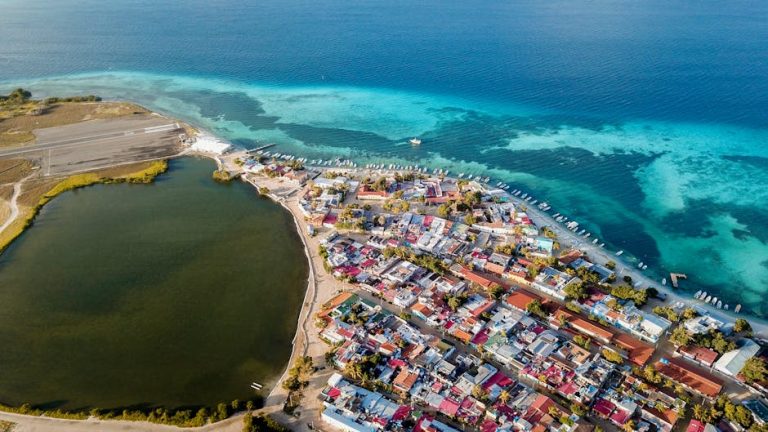
Port Douglas is not a city. It’s a small resort town – a single main street, a marina, a few hundred metres of Four Mile Beach, and a population that keeps itself deliberately small and unhurried. It’s also home to one of the more quietly remarkable coral conservation projects operating on the Great Barrier Reef.
The Forever Reef Project runs a coral biobank from a facility in Port Douglas that I visited last year on what was described as a guided tour but felt more like a seminar run by someone who’s been working on this problem for a very long time. The tour lasts about an hour and costs almost nothing. It changed how I think about reef restoration entirely.
What a Coral Biobank Actually Does
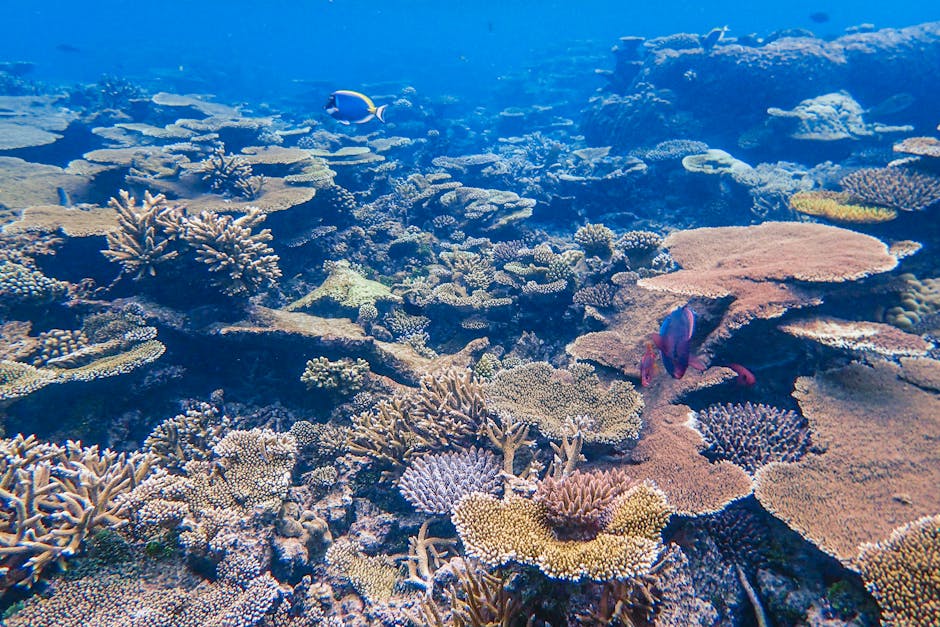
The premise is straightforward and the execution is extraordinarily complex. Coral bleaching events kill massive sections of reef by expelling the zooxanthellae – the symbiotic algae that give coral their colour and provide up to 90 per cent of their energy through photosynthesis. When water temperatures rise above a coral’s thermal tolerance threshold, even briefly, the relationship breaks down. The coral bleaches. If the stress persists, it dies.
The Forever Reef Project is collecting and cryopreserving coral genetic material – coral larvae, coral fragments, symbiotic algae strains – from the highest-diversity sections of the Great Barrier Reef before those sections are lost. The biobank is essentially an insurance policy. If a particular coral species or genotype is lost to bleaching, the biobank holds the genetic material to potentially reintroduce it when conditions allow.
This is not science fiction. It’s the same principle that underpins seed banks for terrestrial plants, and it’s being applied to coral with growing urgency as bleaching events increase in frequency and severity. The 2016 and 2017 bleaching events alone killed approximately half the shallow-water coral on the northern and central sections of the reef. The 2020 and 2022 events extended damage further south. The biobank is a direct response to a problem that is accelerating faster than any intervention can currently reverse.
The Tour Itself
The guided tour at the Forever Reef Project facility in Port Douglas takes you through the collection process, the cryopreservation technology, and the scientific rationale behind the project’s design choices. It’s accessible rather than technical – the scientists who run the tours have clearly given this presentation to a wide range of audiences and know which details land and which lose people.
What struck me most was the specificity of the genetic selection process. Not all coral is equally valuable for conservation banking. The project prioritises genotypes that have demonstrated thermal tolerance in past bleaching events – corals that survived the 2016 and 2022 events while those around them died. These are potentially the populations that carry genetic adaptations to warmer water, and they are exactly what reef restoration will need if the next 50 years of ocean warming continue on current trajectories.
What Visitors Can Contribute
The tour is donation-supported rather than commercial, which is refreshing and practical – the project is doing science, not running a tourist operation. Donations go directly to fieldwork and preservation infrastructure. The scientists are clear about the stakes and the timeline without being apocalyptic about it, which is a harder balance to strike than it sounds.
The Forever Reef Project is one of several coral restoration and conservation organisations now operating along the reef coast, but it’s one of the few working at the genetic level rather than the physical transplant level. Both approaches are necessary. Understanding what each is doing and why helps make sense of the larger effort to preserve a reef that has been building for 8,000 years and is being asked to survive a challenge it has never encountered before.
If you’re in Port Douglas, it’s one hour and a few dollars. It’s worth it.