Ask most Australians where you access the Great Barrier Reef and they’ll say Cairns, maybe Port Douglas. Some will mention the Whitsundays. Agnes Water and the town of Seventeen Seventy will not be on most lists. That’s part of why I keep going back.
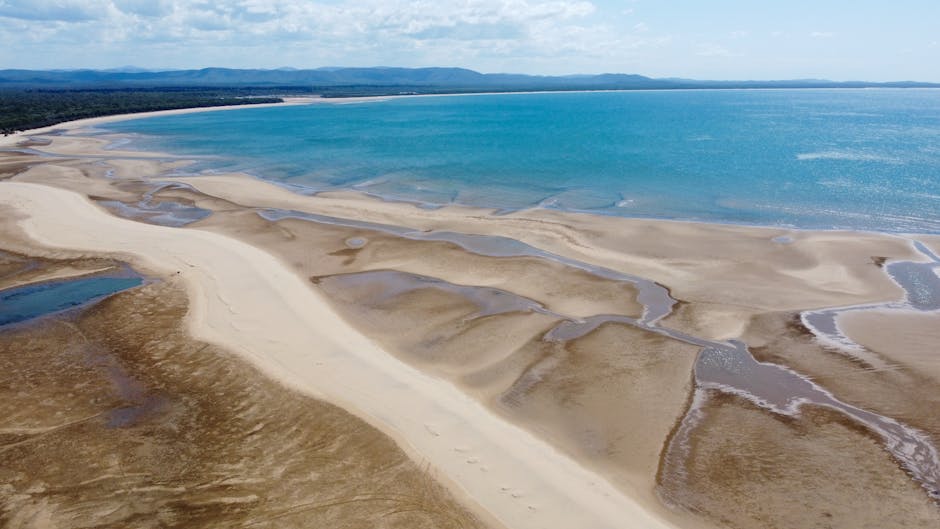
Agnes Water sits at the southern end of the reef proper, roughly 500 kilometres north of Brisbane. It’s a small surf town – the most northerly surf beach on Queensland’s east coast, as locals will tell you – with a cluster of cafes, a national park at its back, and a boat ramp that launches the small-group reef trips that take you to a section of the Great Barrier Reef that most visitors to Queensland never see.
What Makes the Southern Reef Different
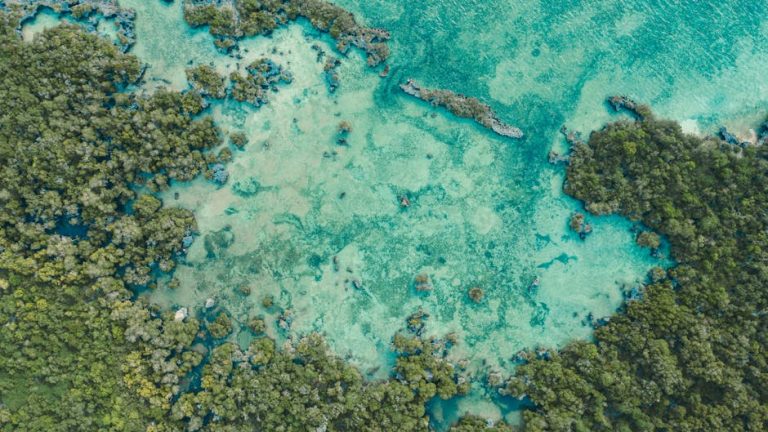
The southern reef has a different character from the northern sections that most tourism focuses on. The coral formations here are part of the Capricorn-Bunker Group, a chain of reefs and cays at the Tropic of Capricorn that includes Lady Musgrave, Lady Elliot, Heron, and One Tree Island. The reefs are predominantly bommie systems – isolated coral heads rising from sandy seafloor rather than the continuous wall structures of the outer northern reef.
This creates a different snorkelling and diving experience. You move between bommies, each one its own micro-ecosystem, with sandy channels in between where rays rest and sharks cruise. The water clarity in this part of the reef is often exceptional – the southern reef is less affected by agricultural runoff than the central and northern sections, and visibility of 20 to 30 metres is not unusual on a good day.
The Tours from Agnes Water and 1770
The twin towns of Agnes Water and Seventeen Seventy – usually just called “1770” by everyone including the GPS – share a tourism infrastructure that punches above its weight. Small-group snorkelling day trips run to the outer reef roughly 50 kilometres offshore, typically carrying under 15 passengers on purpose-built dive vessels. The scale is fundamentally different from the large catamaran operations out of Cairns.
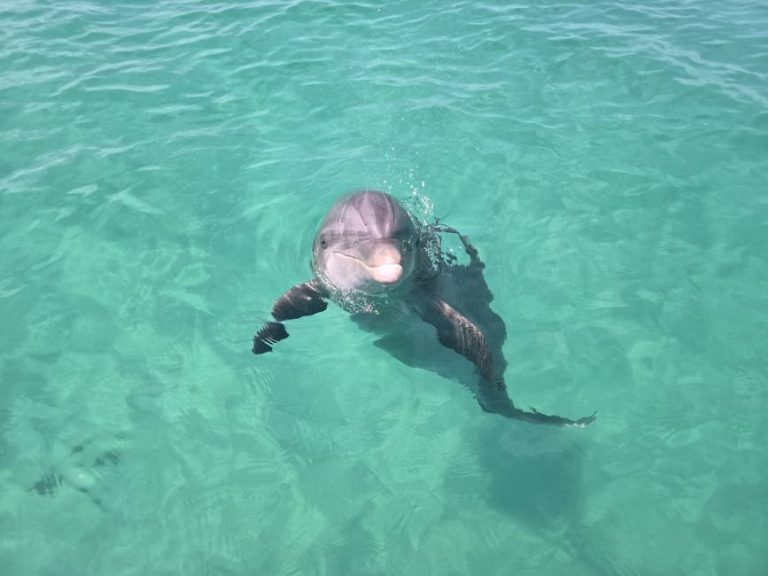
You board in a group small enough that the skipper knows everyone’s name by lunchtime. The reef sites visited tend to be less regularly dived than the major Cairns and Whitsundays sites, which means the fish are less habituated to humans and the coral is genuinely pristine. I’ve seen more curious reef sharks on southern reef trips than almost anywhere else on the reef – animals that approach and examine rather than disappear.
1770 LARC Tours
Agnes Water also offers something unique to this stretch of coast – the LARC tours, running on a large amphibious vehicle that drives from the beach, enters the water, and traverses the coastline to access beaches and coves inaccessible by road. It’s eccentric and genuinely fun, and it’s been running long enough that the locals treat it with the affection reserved for institutions. Not a reef experience, strictly speaking, but the kind of thing that makes a place memorable rather than just another tick on a reef itinerary.
Getting There and Staying
Agnes Water is a 6-hour drive from Brisbane or a connecting flight to Bundaberg followed by a 90-minute drive. Accommodation ranges from basic camping in the national park to well-appointed holiday rentals in town. The pace is slow in the best possible way – this is not a place with a nightlife district or a strip of souvenir shops. It’s a surf town with exceptional reef access and the good sense not to oversell itself.
If you’ve done Cairns and you want to understand how large and varied the Great Barrier Reef actually is, come south. The reef doesn’t end at the Whitsundays. It just gets quieter.