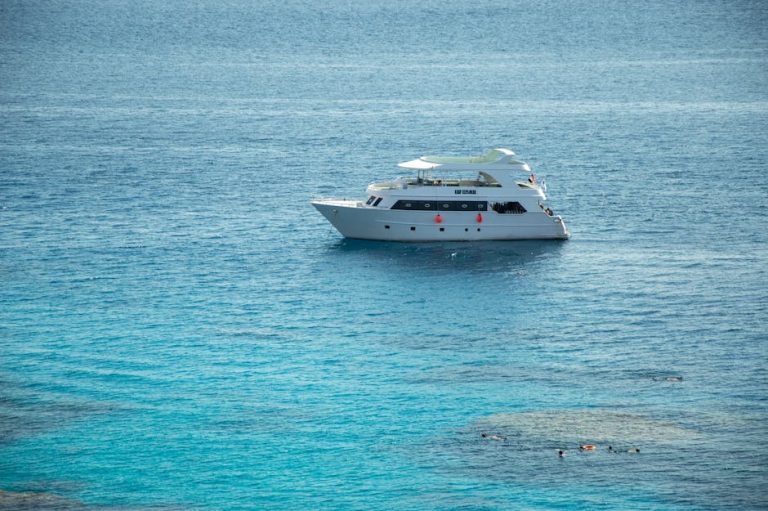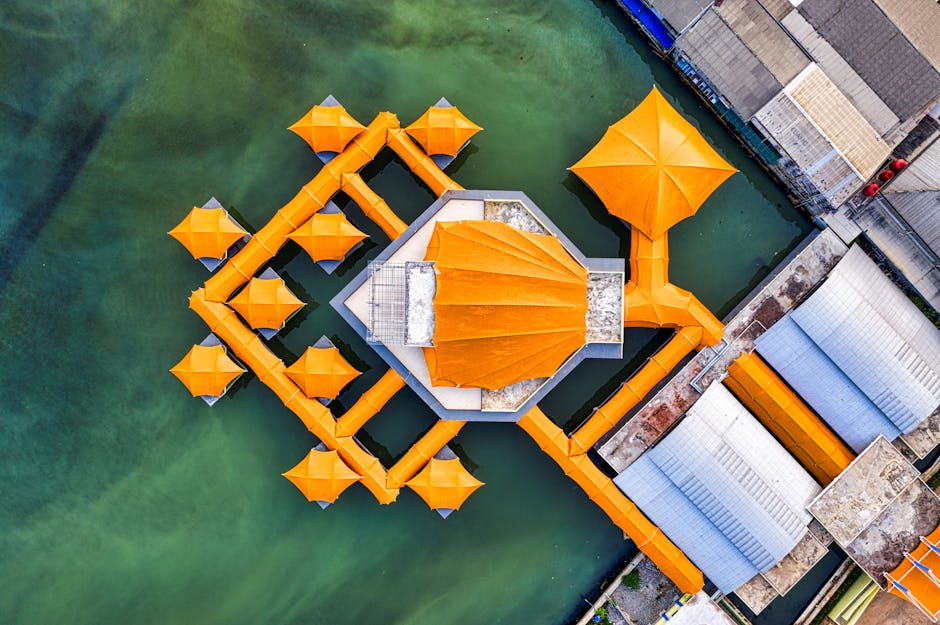
The first time you see a reef pontoon from the water, the cognitive dissonance is real. You’re 70 kilometres from the nearest town, surrounded by the Coral Sea, and there in front of you is what appears to be a small floating resort complete with freshwater showers, a buffet lunch, and a semi-submersible vessel queuing visitors for underwater viewing. It shouldn’t work aesthetically. Somehow, it does.
Reef pontoons are permanent floating platforms moored directly above specific sections of the outer reef. The major operators on the Great Barrier Reef run vessels that carry 200 to 400 passengers out to these platforms daily, making this the most popular way for non-divers to experience the reef. Love them or be mildly sceptical of them, they deliver something that would otherwise require a liveaboard or significant diving skills – a full day on the outer reef with multiple ways to engage with it.
What a Day on a Pontoon Actually Looks Like
Boats depart Cairns typically around 8am, and the journey to the outer reef takes 90 minutes to two hours depending on the operator and which platform you’re heading to. That journey matters – it’s genuinely beautiful, the Coral Sea doing its slow fade from green to deep blue as the coast disappears behind you.
Arrival at the pontoon involves a boarding procedure that feels chaotic for about three minutes and then resolves itself. You drop your bags, find a locker, pull on a wetsuit if you’re using one, and then the platform opens up in front of you. Most pontoons offer snorkelling from the platform directly, with the reef visible from the surface in water ranging from 8 to 15 metres deep. The snorkel areas are enclosed by nets which keeps you from drifting off the reef, and the coral beneath is typically dense and healthy.
Beyond snorkelling, most platforms offer introductory scuba dives for an additional fee, semi-submersible tours where you sit in a vessel with glass panels at water level while an operator drives you slowly over the reef, and glass-bottom boat tours that do much the same thing from above the surface. Some pontoons have underwater observatories – rooms built below the waterline with windows that look directly onto the reef. These are genuinely impressive.
The Buffet Situation
Lunch is included in most pontoon packages, and it’s better than it has any right to be. The operators have been doing this long enough to know that 300 hungry, salt-crusted reef visitors need feeding efficiently and well. Buffets typically run to salads, cold cuts, fresh bread, hot dishes, and enough coffee to resuscitate the people who got seasick on the way out. Eat before you snorkel if you can manage it – the afternoon session with a full stomach is not for everyone, and the reef will still be there after lunch.
The Honest Assessment of What You’ll See
Pontoon snorkelling is not the same experience as diving or even free snorkelling at a quieter site. The sheer number of people in the water at once affects the atmosphere, and the nets mean you’re working within a defined area rather than exploring. That said, the coral beneath most major pontoons is genuinely spectacular – operators have a vested interest in protecting it – and the fish life is often extraordinary. I’ve seen enormous Napoleon wrasse at the Agincourt pontoon, reef sharks beneath the platform supports, and sea turtles that use the pontoon structure as a cleaning station.
If this is your one reef day, a pontoon gives you the most options and the most reliable access to outer reef experiences regardless of your swimming ability or comfort in the water. If you’ve dived before and want something quieter and more immersive, look at smaller-boat operations that moor directly over the reef without the infrastructure.
Choosing Between Operators
The major Cairns operators – Quicksilver, Reef Magic, Sunlover – all run good operations to well-maintained pontoons. The differences come down to the reef site itself, the size of the vessel, and the ratio of passengers to reef area. Some operators cap their day trips at lower numbers for a more spacious experience, and these tend to cost more. The premium is often worth it if crowds are a concern for you.
Book morning departures where possible. The afternoon boats arrive to an already-churned patch of water and a reef that’s had people in it since 11am. Morning gives you the best visibility and the most undisturbed marine life. And if the weather looks marginal, call the operator directly – they know their reef and will give you an honest assessment of whether it’s worth going.