I’ve done both trips more times than I can count, and every time someone asks me which one to choose, I pause. Not because I don’t have an answer – but because the right answer depends entirely on who’s asking.
The Low Isles sit about 15 kilometres off the coast of Port Douglas, a pair of coral cays ringed with calm, shallow water and turtle-spotted seagrass beds. The Outer Reef begins at the continental shelf edge, roughly 50 kilometres out to sea, where the water turns a deep electric blue and coral walls drop away into the abyss. These are not the same experience. They’re barely the same planet.
What the Low Isles Actually Are
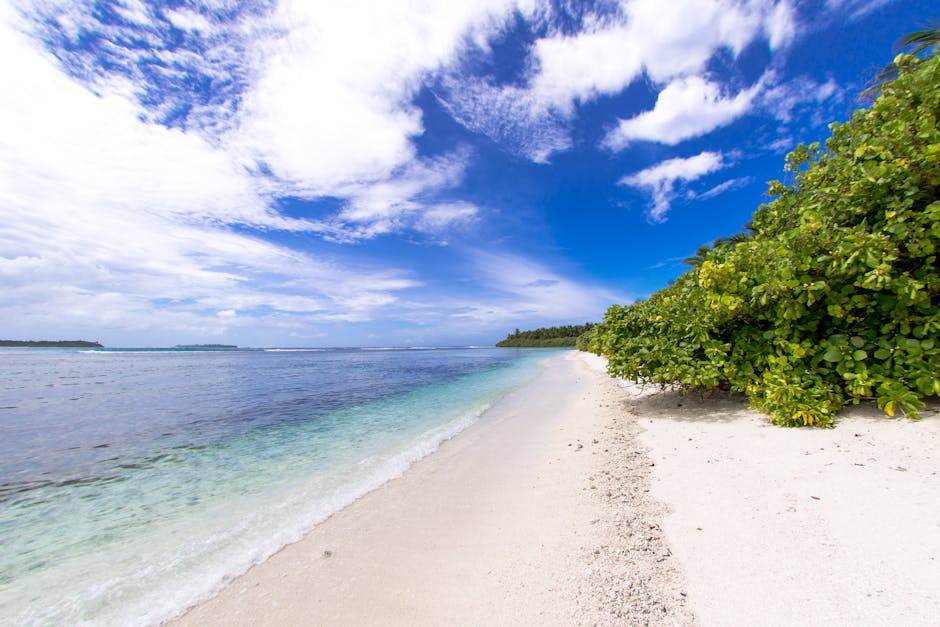
Picture a small wooded island – a few hectares of pisonia trees, a striped lighthouse from 1878, and a resident population of sea turtles that genuinely doesn’t care you exist. The reef surrounding Low Isles is an inner reef system, protected and relatively shallow, with visibility that varies but rarely exceeds 10 to 15 metres. The coral here is not the dramatic cathedral architecture of the outer reef. It’s gentler – staghorn thickets, brain corals, soft coral meadows in shades of rust and cream.
But the marine life is exceptional precisely because of that seagrass. Green turtles graze through it at unhurried pace. Leopard sharks rest on the sandy bottom in the shallows. Wobbegongs flatten themselves against the reef in that peculiar way that makes you wonder if you’re seeing a rock or a predator. The Low Isles snorkel is intimate. You’re in 2 to 5 metres of water, floating above a world that feels almost domestic by reef standards.
Most operators run luxury catamaran day trips from Port Douglas. You’re out there by mid-morning, back by afternoon, often with a champagne lunch included. The journey itself – sailing through the deep green water of the Coral Sea – is part of the appeal.
What the Outer Reef Gives You Instead
The first thing you notice when you enter the water at the outer reef is the visibility. On a good day – and most days from May to October are good days – you can see 20, sometimes 30 metres in every direction. The reef structure rises in towers and ridges, each covered in a density of coral that can make your eyes struggle to focus. Parrotfish the size of labrador retrievers crunch their way through the coral. Reef sharks cruise at the edge of visibility. Schools of fusiliers part around you like you’re nothing more than an inconvenient piece of drift.
The outer reef is what most people picture when they imagine snorkelling the Great Barrier Reef. The scale is different. The colour is different. The feeling of being a small animal in a very large living system is different.
Most outer reef trips depart from Cairns or Port Douglas and spend several hours at one or two reef sites, typically a pontoon or moored directly over the reef. The journey takes 90 minutes to two hours each way, so you’ll spend a meaningful chunk of your day on the water before you even get wet.
The Practical Differences That Matter
Motion sickness is real. The Coral Sea is open ocean, and on days with any wind or swell, the journey to the outer reef moves the boat. The Low Isles trip is a gentle sail in protected inner waters. If you or anyone in your group is prone to seasickness, this is not a trivial consideration.
Snorkelling ability matters too. The Low Isles is perfect for beginners, children, and anyone who wants to float at their own pace in calm, shallow water. The outer reef involves more current awareness, deeper water, and occasionally some surge near the reef edge. Neither is dangerous with basic snorkel skills, but the outer reef asks slightly more of you.
Cost is another factor. Low Isles trips tend to run cheaper than full outer reef experiences, partly because of the shorter journey and partly because the infrastructure involved is simpler. If you’re on a budget, the Low Isles offers genuine Great Barrier Reef snorkelling without the full-day price tag.
Who Should Choose Which
Choose Low Isles if you’re travelling with young children, if you have any concern about seasickness, if you want an intimate experience rather than a day-trip operation, if you’re based in Port Douglas and want something nearby, or if you’re a first-time snorkeller who wants calm water to build confidence.
Choose the outer reef if you’ve snorkelled before and want to see the reef at its most spectacular, if you want maximum coral diversity and the chance to see larger marine life, if you’re comfortable with a longer boat journey, or if this is your only reef day and you want to say you went all the way out.
I’ve seen first-time snorkellers have a more profound experience at the Low Isles than veterans who barely looked up from their phones at an outer reef pontoon. The reef doesn’t care about your expectations. It just shows you what’s there. And both of these places – one quiet and intimate, one vast and electric – are genuinely magnificent.
Booking Your Trip
Most Port Douglas operators run daily Low Isles trips on small sailing catamarans, typically limiting numbers to under 30 passengers. Outer reef trips run from both Port Douglas and Cairns, with options ranging from large pontoon-based operations to small-group specialist boats carrying 12 passengers or fewer.
Whatever you choose, book the morning departure when visibility is usually at its best and the wind hasn’t picked up yet. The afternoon light is beautiful, but the morning water is where the magic tends to live.