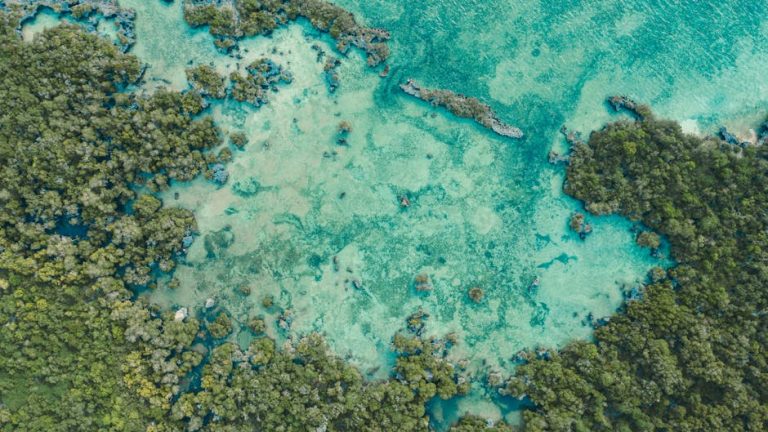
The Maldives is one of the most written-about reef destinations on Earth and also one of the most consistently misrepresented. The promotional version — overwater bungalows, turquoise shallows, photogenic isolation — is real in the sense that those things exist. What it omits is the complexity of the Maldivian archipelago: 1,200 islands across 26 atolls spread over nearly 90,000 square kilometres of the Indian Ocean, with reef quality that varies from the extraordinary to the severely bleached, and diving environments that range from world-class current dives on outer atoll walls to gentle beginner snorkelling in lagoons.
Understanding the geography and ecology of the Maldives — which atoll, which island, which season, which specific sites — is the work required before any Maldives reef trip becomes the trip it could be.
The Atoll System
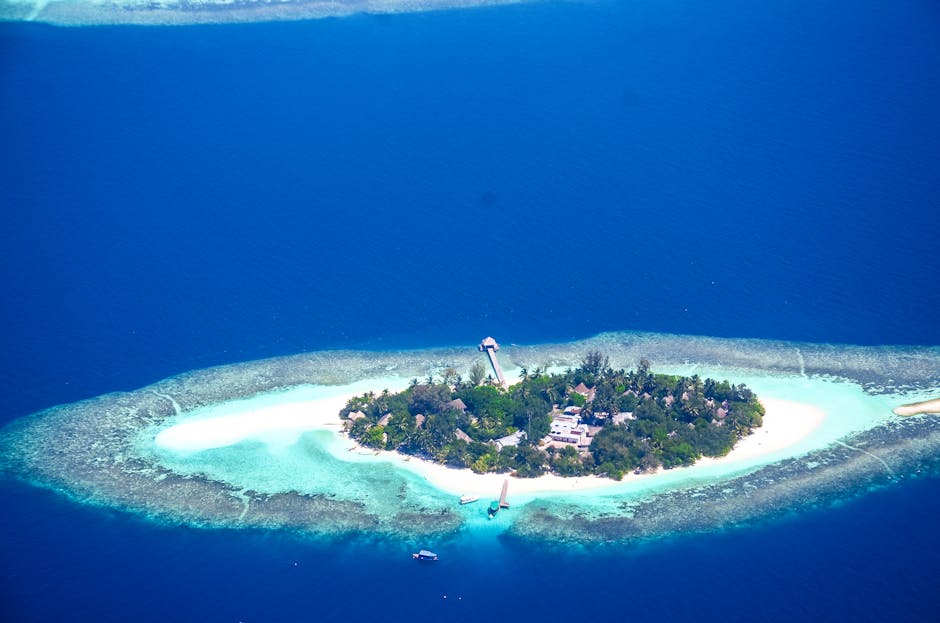
The Maldives consists of a double chain of atolls running roughly north–south for 860 kilometres. Each atoll is essentially a ring of reef enclosing a lagoon, with various islands — some inhabited, some uninhabited resort islands, many uninhabited with no development — distributed around and within the ring.
The diving and snorkelling quality within each atoll is shaped by the atoll’s exposure to the Indian Ocean current system and its distance from populated islands (the capital Malé, in the central north Maldives, has the highest population and the most dive traffic). The outer atolls — particularly the southern atolls of Laamu, Huvadhoo, and Addu — are generally in better reef condition and receive fewer visitors than the heavily touristed North and South Malé atolls where most of the resort concentration exists.
For divers specifically, the atolls of Baa (for the Hanifaru Bay manta aggregation), Ari (for whale sharks year-round), and the Farukolhufushi area of North Malé (for the famous channel drift dives) are the standout diving regions.
Hanifaru Bay: The Manta Experience
Hanifaru Bay, in Baa Atoll, is a UNESCO Biosphere Reserve and the site of the most dramatic manta ray feeding aggregations accessible to snorkellers and divers anywhere in the world.
During the southwest monsoon (June through November), the current pushes plankton-rich water through the bay entrance and traps it in the shallow bowl of the bay. Reef manta rays — and occasionally whale sharks — arrive to feed, and in peak conditions, thirty, fifty, or more than a hundred mantas feed simultaneously in a space small enough to observe the full spectacle from the surface.
Entrance to the bay is strictly controlled by the government: only registered operators with permits can bring guests, numbers are limited, and snorkelling rather than scuba diving is required inside the bay (to protect the feeding mantas from bubbles). In the peak months of July and August, even the permitted visitor numbers sometimes affect the animals — the mantas occasionally leave the bay when disturbed.
The experience on a good day, in good conditions, with the bay operating at full intensity and the mantas feeding in their extraordinary concentrated dance — rows of animals circling in the plankton bloom, their cephalic fins furled and unfurled as they filter-feed — is something I don’t have adequate words for. I’ve seen it described as being inside a David Attenborough sequence. That’s approximately right.
House Reef Snorkelling
The Maldives’ greatest everyday marine life experience is not the spectacular aggregations — it’s the house reef snorkelling that is available directly from many resort islands and many guesthouses on inhabited local islands.
A good Maldivian house reef begins at the beach and drops away in a coral garden that in many cases rivals anything accessible on a boat trip. Early morning snorkelling on a house reef — before the resort guests are up, before the water has been disturbed — with a reef to yourself in the specific blue clarity of the Indian Ocean atoll lagoon, is the Maldives experience I return to most readily in my memory.
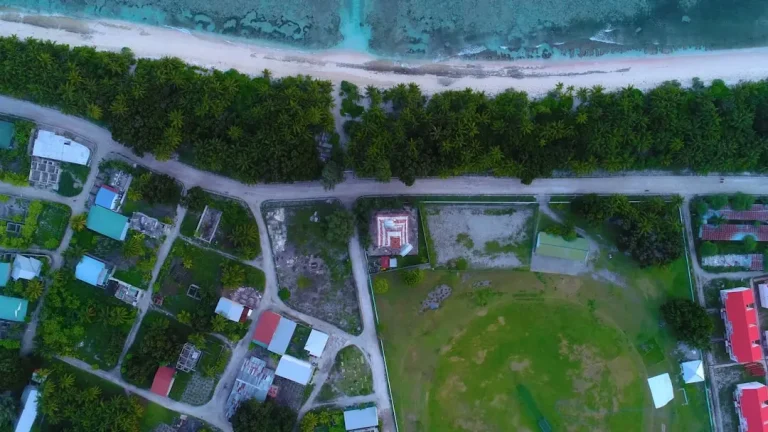
The inhabited island guesthouses in the Maldives — a more recent phenomenon enabled by regulations that allow tourists to stay in local communities rather than exclusively on resort islands — often have access to house reefs as good as any resort island, at a fraction of the cost. The character is different from resort island experience (you’re in a community, there are local rules about clothing and behaviour outside the tourist areas, the food and facilities are simpler) but for reef-focused travellers who want maximum water time rather than maximum comfort, they offer a compelling alternative.
Diving the Channels
The Maldivian ocean-side channels — the gaps between atolls where the Indian Ocean current forces water in and out of the lagoon system — are where the Maldives’ finest diving happens.
The current in these channels concentrates plankton, which attracts manta rays to cleaning stations, whale sharks to feeding grounds, and dense aggregations of reef fish that in turn attract sharks, barracuda, and pelagic species. The famous channel dives of North Malé Atoll — the Banana Reef, Maaya Thila, the Fish Head — are world-renowned and have been diving destinations since the Maldives opened to tourism in the 1970s.
The current diving requires some experience — novice divers should not attempt the stronger channel dives — but the intermediate sites accessible in milder current conditions are among the most rewarding dives I’ve done anywhere. Hovering at the edge of a channel at 18 metres as a school of eagle rays moves past in formation, with hammerheads visible in the blue water deeper in the current, is a specific quality of experience that the Maldives’ geography produces and that is genuinely difficult to find elsewhere.
Bleaching and the Current Maldives Reality
The Maldives has been significantly affected by coral bleaching. The 2016 event caused severe coral mortality across large areas of the shallow reef systems, and subsequent events have continued to affect reef communities. The shallow lagoon reefs around heavily visited resort islands have also been degraded by physical pressure over decades.
The honest current assessment: the Maldives’ outer atoll walls and deeper reef systems remain in excellent condition. The shallow inner lagoon reefs around many resort islands show significant bleaching impact. The marine life encounters — mantas, whale sharks, sharks, eagle rays, the channel dives — are largely independent of coral condition and remain world-class. The snorkelling quality on house reefs varies considerably by island and location.
Go to the outer atolls if diving is your primary purpose. Choose guesthouses or resorts on islands with intact outer reef access. Book trips to Hanifaru Bay well in advance for the peak manta season. And calibrate your coral expectations — the Maldives at its current best is still extraordinary, but it is not the Maldives of twenty years ago on the shallow reef.
From Australia
Direct flights from Perth to Malé take approximately eight hours. From east coast capitals, the connection is through Singapore, Kuala Lumpur, or Dubai, adding four to six hours to the journey. The total flight time from Sydney or Melbourne is 12 to 14 hours depending on routing.
The Maldives is the Indo-Pacific reef destination most accessible to Australian travellers who want Indian Ocean diving without the logistical complexity of the Cocos Islands or Christmas Island. For a ten to fourteen day trip combining resort island life with serious diving, it remains one of the most rewarding marine destinations reachable from Australia.