Not everyone who visits the Great Barrier Reef comes to dive. Not everyone comes primarily for the reef at all. Queensland’s coastal tourism has, over the past two decades, developed a category of cruise product that sits between the dive liveaboard at one end and the glass-bottom boat at the other — small-ship expedition cruises that combine genuine reef access with the experience of Queensland’s coastal waterways, islands, and Wet Tropics rainforest.
These trips are worth discussing separately from dive liveaboards because they serve a different purpose and attract a different traveller, and because the best of them are genuinely excellent experiences that most people — including many regular reef visitors — don’t know exist.
Small-Ship Expedition Cruising in Queensland
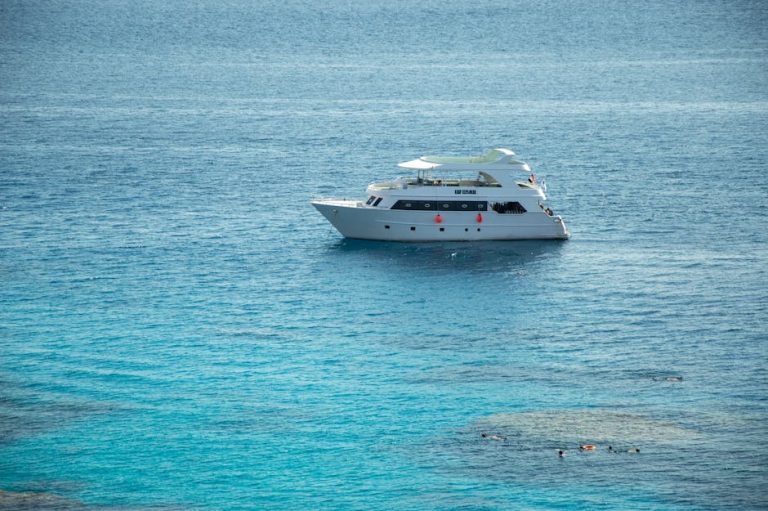
The small-ship expedition cruising model — vessels of 50 to 200 passengers, purpose-built or converted for coastal exploration, carrying Zodiac tender craft for landings on islands and beaches inaccessible to larger vessels — has grown significantly in Australian waters over the past decade. Several operators now run itineraries along the Queensland coast that include Great Barrier Reef island visits, snorkelling at outer reef sites, and Wet Tropics rainforest exploration in a single multi-day trip.
The character of these trips is different from dive liveaboards in important ways. The pace is slower and more varied — a day might include a morning rainforest walk, an afternoon snorkel session at a reef, and an evening cocktail hour on deck watching the sunset over the Coral Sea. The group is larger and more mixed in interests and experience than a dive-focused vessel. The naturalist guides, rather than dive guides, set the interpretive tone.
The marine biologist naturalists who work on the best expedition vessels are one of the strongest arguments for this type of cruise. On a well-run expedition, every snorkel session or island landing includes expert interpretation — someone who can explain, in real time, what you’re looking at, why it matters, and how it connects to the broader ecosystem you’ve been learning about all trip.
The Queensland Coast: What These Cruises Cover
The typical Queensland small-ship expedition itinerary runs between Cairns and the Whitsundays (or the reverse), covering five to ten days of coastal exploration. The specific stops vary by operator and season, but a representative itinerary might include:
Daintree and Cape Tribulation. The Wet Tropics World Heritage rainforest meets the reef at Cape Tribulation — the only place in the world where two World Heritage areas are adjacent. An expedition cruise that includes a morning in the Daintree rainforest before afternoon snorkelling on the outer reef gives context to the reef that you simply can’t get from a Cairns day trip.
Lizard Island and the Ribbon Reefs. The expedition vessel’s size and Zodiac tenders allow access to bays and beaches on Lizard Island and the surrounding area that are inaccessible to larger vessels. Snorkelling sessions at ribbon reef sites in the far north — accessible to expedition vessels on itineraries that reach this far — produce the same outer reef quality as liveaboard diving, in the company of naturalist interpretation rather than dive guides.
Coral Sea Islands. Some expedition operators include outer Coral Sea destinations — the Lihou Reefs, Holmes Reef — on extended itineraries, providing access to remote reefs in the context of a natural history expedition rather than a dive trip.
Whitsunday Islands. The Whitsundays’ uninhabited islands and their wildlife — nesting seabirds, marine turtles, the endemic Whitsunday Island skink — are well-suited to expedition exploration. Access to beaches and coves that day-trip vessels can’t reach, combined with the snorkelling at Bait Reef or Hook Island, produces a Whitsundays experience with more ecological depth than the standard island-hopping itinerary.
Operators Worth Knowing
Several Australian expedition cruise operators have established reputations for quality naturalist-led experiences in Queensland waters.
Coral Expeditions is the longest-established Australian expedition cruise operator, running small vessels (50 to 120 passengers) on Queensland coastal itineraries year-round. Their naturalist programs are well-regarded, their vessels purpose-built for coastal conditions, and their itineraries cover the full Queensland coast from Torres Strait to the Whitsundays.
Coral Princess Cruises operates in the Great Barrier Reef and Kimberley regions, with Queensland itineraries focused on the northern GBR and Coral Sea. Smaller vessels (60 to 72 passengers) and a reputation for expert reef interpretation.
The international expedition operators — Ponant, Silversea Expeditions, Seabourn — run Australian itineraries at the premium end of the market, with larger vessels and more elaborate onboard amenities but a similar naturalist-interpretation model.
Who These Trips Are For
The traveller who gets the most from a Queensland expedition cruise is: curious about natural history and ecology (not just wildlife viewing), comfortable in a group setting with mixed interests, interested in the context of what they’re seeing rather than only the experience itself, and either not a diver or content to snorkel rather than scuba dive.
This demographic includes a significant number of people who might not initially consider themselves “reef travellers” — natural history enthusiasts, birders, marine biology amateurs, retirees who can no longer dive but still want reef access, family groups with mixed abilities. The expedition cruise format serves all of these people well in a way that a dive liveaboard does not.
Reef Access for Non-Divers
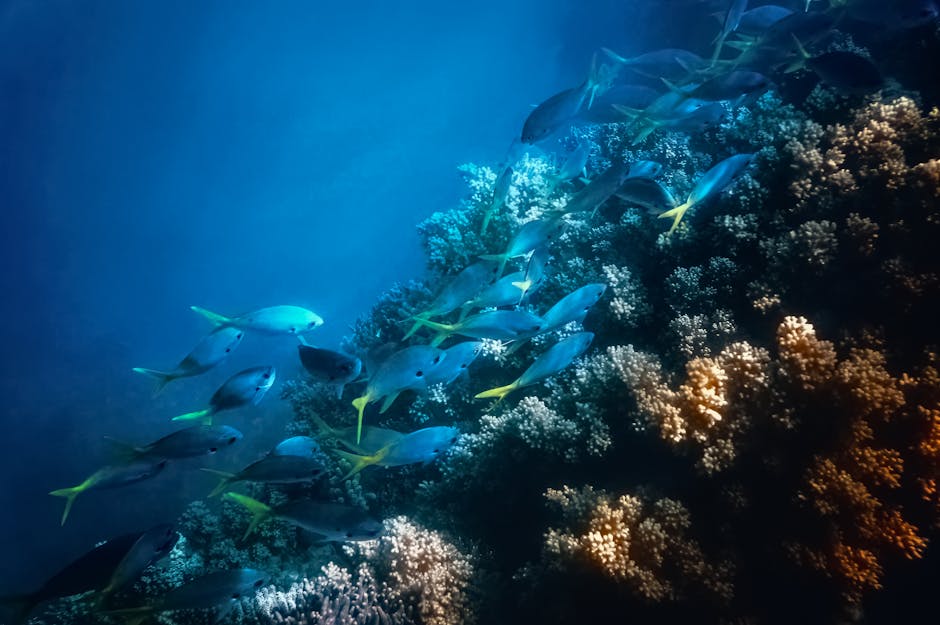
I want to make a specific point about this, because it sometimes gets lost in the dive-focused conversation about reef tourism: snorkelling from an expedition vessel with a marine biologist guide on a calm outer reef morning is a profoundly good reef experience. Not a compromise. Not the thing you do when you can’t dive. A genuinely excellent and often deeply informative way to encounter the reef.
Some of the best reef conversations I’ve had have been on expedition vessel dive platforms, with non-divers asking questions that experienced divers stopped asking years ago. The questions are better when people are encountering things for the first time with expert guidance. The answers are better when someone has spent years learning to explain the reef to curious non-specialists.
Consider it, if the dive-first model doesn’t describe you. The reef has more to offer than one style of access can exhaust.