This article requires a disclaimer that most surf travel articles don’t need: the Great Barrier Reef is not a surfing destination. The GBR’s structure — a barrier reef that intercepts and dissipates ocean swell before it reaches the Queensland coast — means that the world’s largest coral reef system also produces some of the world’s flattest surfing conditions directly behind it. The Queensland coast from Cairns to Bundaberg is, by the standards of surf-capable coastline, essentially a lake.
The surfing in this article is located elsewhere: the exposed coasts of Queensland’s south and southeast, the remarkable reef breaks of Western Australia’s Coral Coast, and the specific surf conditions produced by reef geography that connects surfing to reef environments in ways that are genuinely worth discussing.
Why Reef Breaks Are What They Are
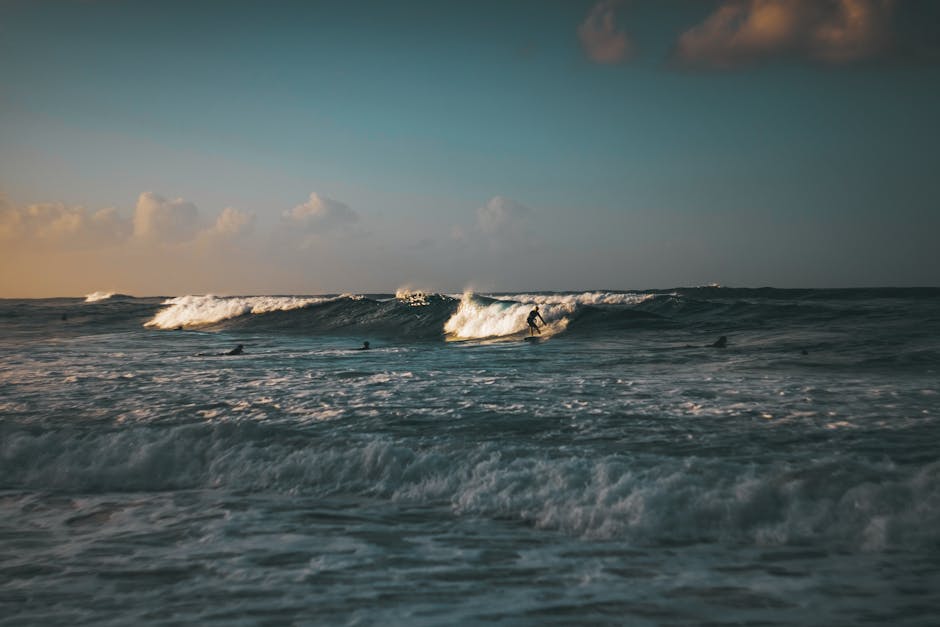
The quality of a surf break is determined primarily by the shape of the seafloor beneath it. Where the bottom rises steeply from depth to shallow — at a reef edge, a rock shelf, or a sand bar — wave energy concentrates, the wave pitches forward, and a rideable face forms. Reef breaks, where the bottom is rock or coral rather than sand, tend to produce more consistent and more powerful waves than beach breaks, because the bottom contour doesn’t shift with storms and seasons the way sand does.
The trade-off is obvious: the bottom that makes a reef break consistent is also hard and shallow, and wipeouts on reef have consequences that wipeouts on sand don’t. Reef surfing is not inherently more dangerous than beach surfing in skilled hands, but the margin for error in shallow water over coral or rock is smaller, and awareness of where the reef is at all times is non-negotiable.
The Sunshine Coast and the Gold Coast
The most accessible quality reef breaks for east coast Australians are on the Sunshine Coast, Queensland, and at several Gold Coast locations — all well south of the GBR’s influence on swell.
Noosa Heads, on the Sunshine Coast, is one of the finest and most discussed point breaks in Australia: a right-hander that peels around the headland’s rocky point in the right swell and wind conditions, producing long, rideable waves that have attracted surfers and surf photographers since the 1960s. The Noosa surfing culture — longboard-focused, technically-minded, and in season extremely crowded in the water — is one of the more developed and specific surf subcultures in Australia. Noosa also has a national park surrounding the headland, walking tracks with reef and coastal views, and a town with restaurant and accommodation quality well above average for a surf destination.
Snapper Rocks, at the southern end of Queensland at Coolangatta on the Gold Coast, sits at the northern end of a sand bank system that produces one of the most consistent and high-quality surf setups in the world in the right conditions. The “Superbank” — a long-running sand build-up that extends south from Snapper toward Kirra — has produced waves of extraordinary length in optimal swells. It is also one of the most competitive, crowded, and localised surf breaks in Australia, and this is relevant practical information for any visitor arriving expecting open water.
Western Australia: The Surf Coast Worth Travelling For
Western Australia’s exposed Indian Ocean coastline produces surf conditions that are, at the right breaks in the right conditions, world-class in the specific technical sense. Margaret River, in the southwest, is the name most associated with WA surfing internationally — its main breaks are serious reef and boulder breaks that host elite professional events and produce waves that reward the most experienced surfers.
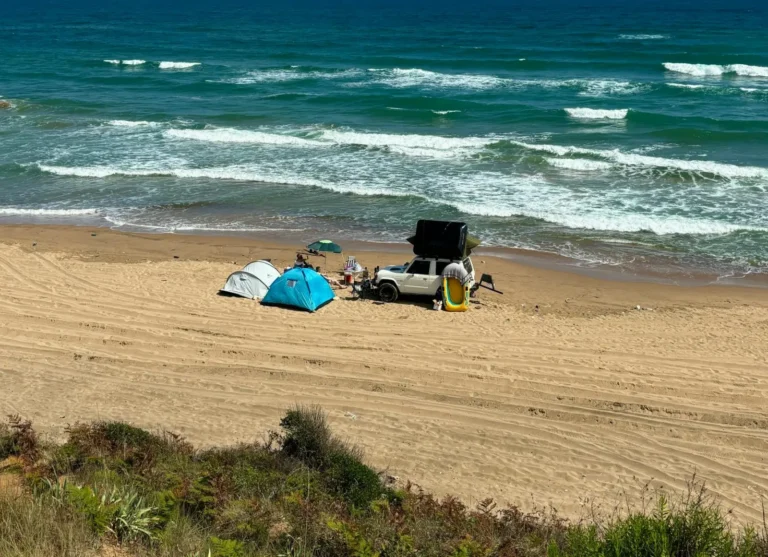
For reef-travel visitors to the Ningaloo region, the surfing context is different and more accessible. The beaches of the Coral Coast north of Carnarvon, exposed to the Southern Ocean swell that wraps around Cape Leeuwin, produce beach and reef breaks with enough consistency for recreational surfers and enough power for experienced ones. The Gnaraloo Station surf break, 150 kilometres north of Carnarvon on a remote pastoral station with basic camping, is a long-running destination for surfers specifically seeking uncrowded quality waves at some distance from infrastructure — exactly the kind of place that appeals to the same mindset that drives people to liveaboard diving in the Coral Sea.
Surfing the Reef: Responsible Practice
The reef break surfing context connects to the broader reef conservation conversation in one specific way: wax and leashes and reef-contact from wipeouts are secondary concerns compared to the anchoring and vessel traffic issues that affect reef health. But the feet of surfers on reef, the chemicals in surf wax washing into reef water, and the potential for fin impact on shallow coral in the line-up are all real, if minor, factors.
The surfer’s etiquette on a reef break is partly safety (knowing where the bottom is) and partly conservation (not walking on exposed coral on the way out, not resting feet on the reef while waiting for sets). Both are served by the same awareness: this is a living structure, not a convenient platform.
The waves produced by reef structure are ultimately the reef’s product — the energy of the ocean, shaped by geology and biology into something rideable. The best surfers I know in reef environments have the same relationship with the reef that good divers and snorkellers do: they’re visitors to a place that doesn’t belong to them, and their enjoyment of it depends on its continued integrity.
On Being Both
I dive and I surf, not at the same destination usually, but with the same underlying disposition toward moving water. The reef makes sense from both positions: the wall from the reef’s perspective and the wall from above, the energy the reef intercepts and the energy it shapes.
The Coral Coast of Western Australia, where reef snorkelling and a consistent swell coexist on the same stretch of coast, is the closest the two activities come to geographic overlap. Going for a dawn surf, then paddling across the lagoon to snorkel the reef edge in the same morning, is the kind of day that makes the long drive north from Perth feel thoroughly justified.
The ocean is large and it offers multiple relationships. Most people settle into one. The ones who stay curious about all of them tend to have the better stories.