Port Douglas is what Cairns might have become if the airport had been built somewhere else.
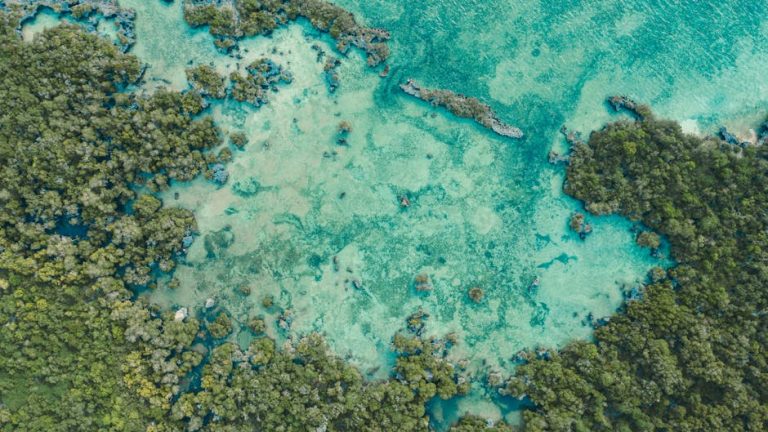
Sixty-seven kilometres north of Cairns on the Captain Cook Highway — one of the finest coastal drives in Australia, the road running between the rainforest slopes and the Coral Sea for most of its length — Port Douglas is small by any resort town standard: a population of around 3,500 permanent residents, a single main street, one beach, and a marina from which the finest day-trip reef operations in Australia depart each morning. It lacks the infrastructure of Cairns. It makes no attempt to be anything other than what it is: a small tropical town that happens to have the outer Great Barrier Reef ninety minutes offshore and the Daintree rainforest thirty minutes to the north.
This combination — calm, beautiful, geographically extraordinary — produces a character that Cairns, for all its efficiency and range, doesn’t quite manage.
Agincourt Reef: The Best Day-Trip Reef in Australia
The outer reef day-trip experience from Port Douglas is, in my considered view after many years of comparative reef travel, the best single day you can spend on the Great Barrier Reef without a liveaboard certification.
Agincourt Reef is a series of ribbon reef structures at the outer edge of the GBR continental shelf, approximately 75 kilometres from Port Douglas. The vessel journey takes 90 minutes on high-speed catamarans that are faster and more comfortable than most comparable day-trip operations. The water at Agincourt is oceanic — it sits at the boundary where the GBR shelf meets the Coral Sea — with visibility routinely exceeding 20 metres and sometimes reaching 30.
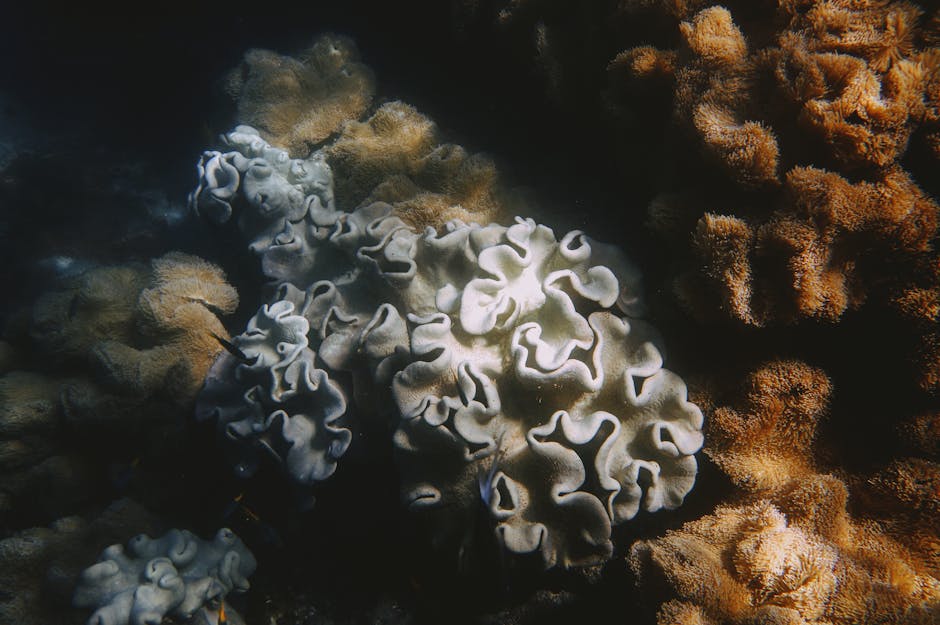
The coral community on the Agincourt reef crest includes large, intact table corals, branching staghorn formations, and the fish density that results from an outer reef receiving clean oceanic water. Giant clams are abundant. Turtles are present on most visits. The current that moves along the ribbon reef edge produces drift snorkelling conditions that deliver you slowly past sections of reef with minimal effort.
Quicksilver Cruises has operated the Agincourt platform for decades, and while the operation is large — the day vessels carry several hundred passengers — the reef site itself is extensive enough to accommodate the visitor numbers without the concentrated pressure visible at inner-reef platform sites. The marine biologist guides who run snorkel tours for guests throughout the day produce an interpretive quality that most Cairns day-trip operations don’t match.
For certified divers, the dive operators who use Agincourt as their primary site offer two to three dives per trip in water that, on a good day, is as good as anything accessible on a GBR day trip.
Four Mile Beach
Port Douglas has one beach. It is called Four Mile Beach and it is, without serious competition, one of the finest urban beaches in Queensland: a long, north-facing crescent of pale sand backed by palms and the low vegetation of the coastal fringe, with the Coral Sea extending north and the rainforest-covered slopes of the Port Douglas headland closing the southern end.
The beach is swimmable from approximately June through October, when the marine stinger season is over. For the rest of the year, the stinger net enclosures provide safe swimming areas. The beach is uncrowded by the standards of any comparable coastal resort — Port Douglas’s limited accommodation capacity means the visitor numbers never approach the levels that would compromise the beach’s character.
Walking the beach at low tide in the early morning — before the day-trip catamarans have loaded, before the resort population has emerged — is one of the simple pleasures of being based in Port Douglas. The light from the north is clean and unobstructed. The beach is largely yours.
The Main Street
Macrossan Street, the single main commercial street, is a 400-metre sequence of restaurants, dive shops, boutiques, and bars that manages the difficult achievement of being genuinely pleasant without tipping into either the bland or the aggressively curated. The restaurant quality, relative to the town’s size, is remarkable — Port Douglas has long attracted a cosmopolitan international visitor demographic that supports a food scene well above what the population would suggest.
The Sunday Market, held in the Anzac Park beside the marina each week, is one of the better markets in North Queensland: local produce, craftwork, food stalls, and the particular social energy of a town that has been having the same market for decades without it becoming a parody of itself.
Mossman Gorge
Fifteen kilometres north of Port Douglas, the Mossman River cuts through the Daintree National Park in a series of granite gorges that are among the most beautiful freshwater environments in Australia. The gorge walk — a short (2.4km) circuit through rainforest above and along the river — passes through the kind of vegetation density and diversity that the Wet Tropics World Heritage Area was established to protect. The river is swimmable in the calm sections below the main gorge, which is one of the finer activities available in Far North Queensland on a warm afternoon.
Access to the gorge is managed through the Mossman Gorge Centre, operated by the Kuku Yalanji people whose country this is. Cultural tours of the gorge, offered through the Centre, provide context for the forest that the self-guided walk doesn’t — the significance of specific plants, the stories attached to specific landscape features, the relationship between the Kuku Yalanji and the country they’ve managed for thousands of years. Take the tour if you have the time.
Staying in Port Douglas
The accommodation options in Port Douglas are limited in number and generally good in quality. Several large resort properties — Sheraton, Pullman, and various smaller boutique operations — cluster on the headland south of Four Mile Beach. Self-contained apartments and holiday homes make up the bulk of the remaining stock.
Because the town is small, location within it matters less than in Cairns. Everything is walkable from almost everything else. The marina is ten minutes from any accommodation on foot.
Book early for the June–October peak season and especially for the Agincourt day-trip operators. The reef trips fill well in advance during this period and the best morning departures sell out first.
Port Douglas rewards slow travel. It’s designed — by geography and by scale — to be spent at the pace of a town rather than a transit hub. Stay long enough to walk the beach twice, eat at a different restaurant each night, take the gorge tour, and go to the reef more than once. That’s approximately five nights, and five nights in Port Douglas is time very well spent.