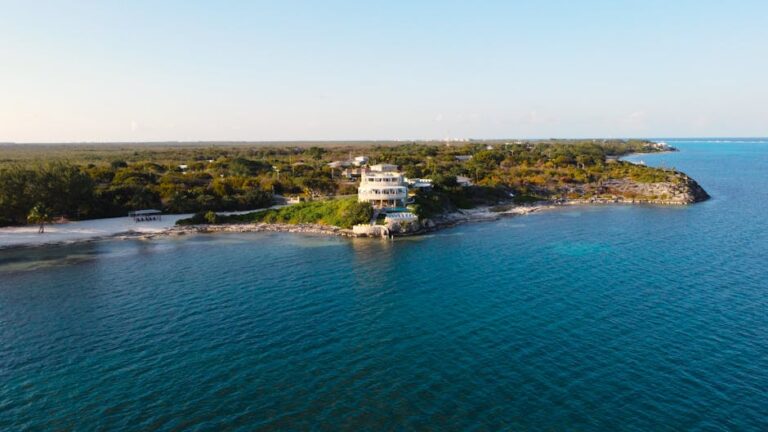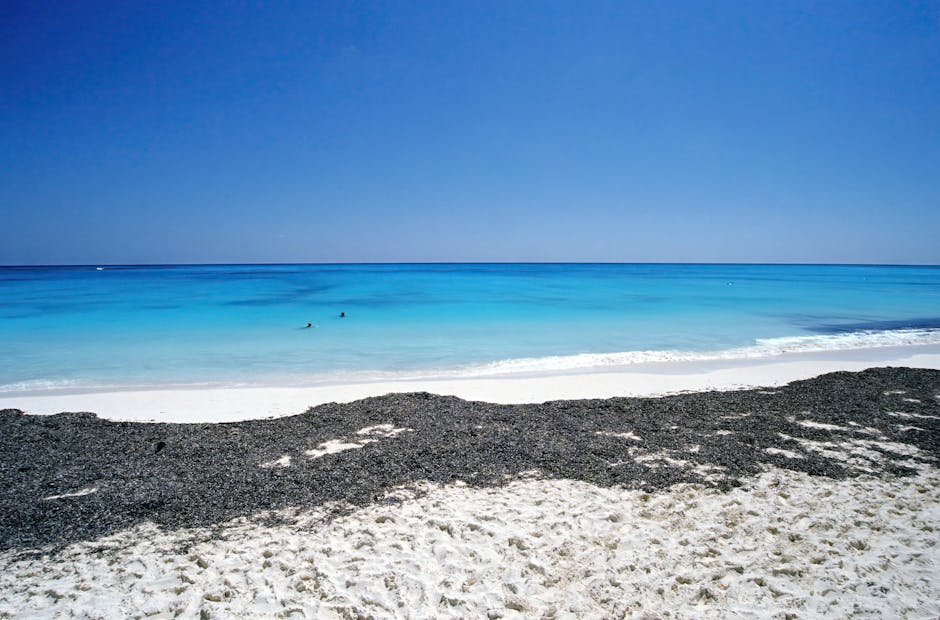
Western Australia’s Ningaloo Reef is the world’s largest fringing coral reef — a reef that grows directly against the coastline rather than separated from it by a lagoon — and it stretches for 260 kilometres along the Cape Range Peninsula north of Exmouth. Unlike the Great Barrier Reef, which requires a boat trip to reach from the mainland, Ningaloo begins immediately offshore. In some places, the reef edge is two hundred metres from the beach.
This proximity is its defining characteristic. You drive to a beach, walk into the water, and you’re on the reef.
Ningaloo: The Reef You Walk To
The combination of accessibility and condition at Ningaloo is unusual enough that it bears some explanation. Most easily accessible fringing reefs — those close to mainland shores — are degraded by the proximity of human activity: runoff, fishing pressure, anchor damage, and the physical impact of high visitor numbers. Ningaloo is in good condition because its adjacent coastline is the Ningaloo Marine Park and the Cape Range National Park, with tightly managed terrestrial land use and significant distances from major population centres.
The nearest large town is Exmouth, population approximately 2,500. The nearest city is Perth, 1,270 kilometres south. The reef is surrounded by a sparse pastoral and tourism economy rather than the agricultural and industrial catchments that affect much of the Queensland coast. The water is clean. The reef reflects this.
The coral communities at Ningaloo are predominantly branching Acropora in the shallower zones (one to eight metres), transitioning to larger plating and massive coral formations deeper. The GBR-like diversity is reduced — Ningaloo supports approximately 230 coral species compared to the GBR’s 600 — but within those 230 species the coverage and health of the reef is excellent by any comparative standard.
Whale Sharks
Ningaloo’s international reputation rests on the whale shark aggregation that occurs each year between March and July, timed to coincide with the mass coral spawn that follows the full moon in March. The spawn produces an enormous zooplankton bloom that concentrates in the waters around the reef, and the whale sharks — primarily juvenile males — arrive to feed on this abundance.
The swim-with-whale-shark industry at Ningaloo is the most developed and best-regulated in the world. The permit system limits the number of operators, each operation uses a spotter aircraft to locate sharks before swimmers enter the water, and strict protocols govern the distance and duration of each encounter. The industry generates over $20 million per year for the Exmouth economy and supports a conservation program that has produced over a decade of population data on individually identified animals.
I have done the swim at Ningaloo twice. On the first occasion, the shark was perhaps eight metres and moving at a pace that required sustained effort to keep up with. On the second, the shark was larger — eleven metres at least — and moved with a slowness that seemed almost deliberate, as if it was aware of the small figures finning alongside it and had decided to be accommodating. Both times I surfaced with the particular physical feeling that comes from swimming hard in the presence of something that could render your maximum effort irrelevant without noticing.
The Islands Offshore: Muiron Islands and Montebello
The Muiron Islands, fifteen kilometres north of the Cape Range Peninsula, are accessible by boat from Exmouth and offer diving and snorkelling in the exceptionally clear waters of the Indian Ocean where the influence of the warm Leeuwin Current produces unexpectedly tropical conditions this far south. The Muirons have resident sea snakes in numbers I’ve not encountered elsewhere outside the far north of Queensland — the olive sea snake and the turtle-headed sea snake both use the islands as habitat — along with large trevally, reef sharks, and the kind of coral coverage that results from a reef receiving very few visitors.
The Montebello Islands, 140 kilometres northwest of Exmouth, are a group of low-lying reef islands that are — in terms of marine biodiversity — among the finest sites in Western Australia. Access is by private boat or occasional charter from Onslow; there is no regular tourist infrastructure. The diving is spectacular: large schools of pelagic fish, excellent coral coverage, and abundant sharks. The Montebello Islands were also the site of British nuclear weapons tests in 1952 and 1956, which adds a specifically strange context to diving their reefs — the craters are visible on the seafloor in places, and the marine life has colonised them with complete indifference to their origins.
Exmouth as a Base
Exmouth is a well-provisioned base for Ningaloo exploration, with accommodation ranging from campgrounds to comfortable motel-style rooms and a small number of more upmarket options. The dive and snorkel operators are clustered around the town and the Exmouth Ningaloo Marina, with daily departures to reef sites, whale shark tours in season, and snorkel tours to the lagoon.
The Cape Range National Park, immediately behind the reef on the landward side, offers gorge walks, canyon landscapes, and wildlife viewing — emus, euros, and the occasional wallaroo — that round out the Ningaloo experience into something beyond a reef trip. The combination of world-class marine environment and accessible national park is genuinely unusual and makes Ningaloo a destination that non-divers in your travelling party won’t resent.
The peak season is March through July for whale sharks, and this is when accommodation and tours are most in demand. Outside this window — August through February — the reef is less crowded, still excellent for diving and snorkelling, and the winter sea temperatures (around 22°C) require a wetsuit but are entirely comfortable.
Ningaloo is not on most international divers’ radar in the way that the GBR is, and this is an advantage you should exploit before it changes. The reef is close, the water is clear, the shark encounters are regulated and genuinely excellent, and the experience of walking into the Indian Ocean from a beach 1,200 kilometres from any city and finding yourself on a pristine reef is one of the best things the Australian coast offers.
Bring reef-safe sunscreen. There is no shade on the lagoon.