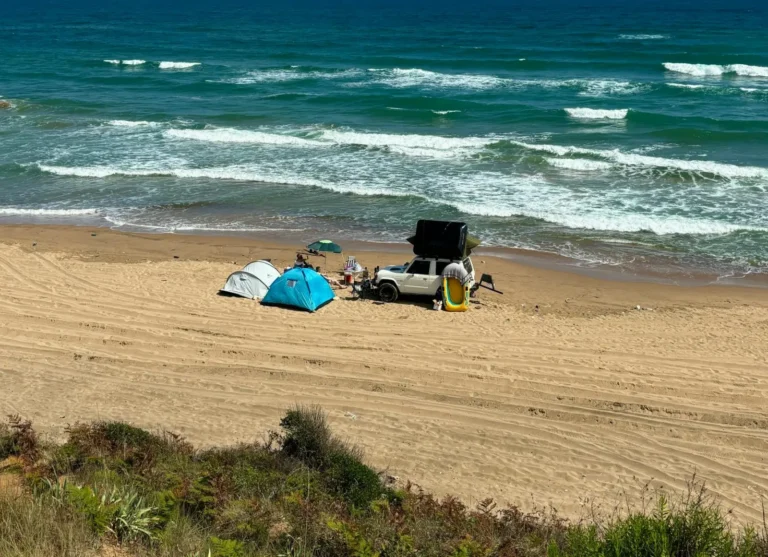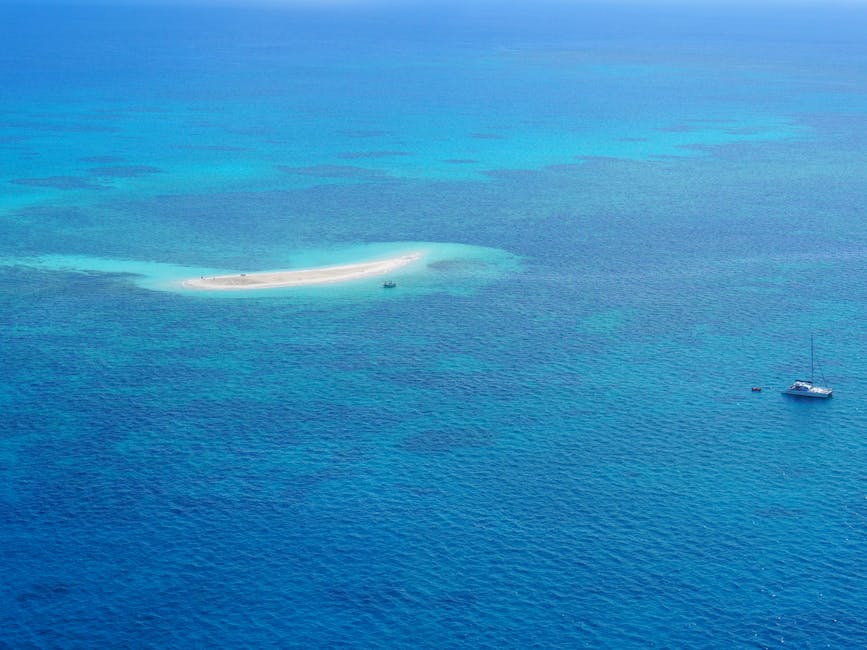
The best sleep I ever had near the Great Barrier Reef was in a tent on a coral cay in the Bunker Group, 80 kilometres off the Queensland coast, with the sound of shearwaters returning to their burrows and the Milky Way visible through a complete absence of light pollution in any direction.
Island camping on the GBR is one of the most underused options in Australian coastal travel. Most visitors to the reef sleep in Cairns, board a vessel, spend time at a pontoon or island resort, and return. The camping option — which places you on a protected island or coral cay inside the Great Barrier Reef Marine Park, with access to the reef immediately from your tent, in the presence of wildlife that only comes out when tourists go home — is available at a fraction of the cost of any resort option and produces an experience that no resort can replicate.
The Permit System
Camping on Queensland national park islands in the GBRMP requires a permit issued by Queensland Parks and Wildlife Service, booked online through the Queensland national parks website. Permits specify the island, the campsites, the duration, and the number of campers. They are capped in number to limit ecological impact on each site.
Popular sites — particularly Lady Musgrave Island in the Bunker Group and the Whitsunday Island national park sites — book out rapidly when advance bookings open, typically six months before the date. Checking the availability calendar regularly for cancellations, or targeting less-popular sites, are the practical strategies for late bookers.
The permit fee is modest — a few dollars per person per night — and includes access to the island’s facilities, which range from composting toilets and no water supply at the basic end to shared shelter facilities at more developed sites.
You must bring everything you need. Potable water does not exist on most camping islands. Food, cooking equipment, shelter, and emergency supplies are entirely your responsibility. The vessel that drops you off is the last supply line you’ll have until it returns.
Lady Musgrave Island: The Benchmark
Lady Musgrave Island, in the Bunker Group 100 kilometres northeast of Bundaberg, is the standard against which other GBR island camping is measured. The island sits in an enclosed lagoon reef — one of the few true lagoon reefs in the southern GBR — and the camping is on the island’s vegetated pisonia forest interior, with the beach and lagoon accessible in under five minutes’ walk.
The reef surrounding Lady Musgrave is in excellent condition relative to much of the southern GBR. The lagoon snorkelling is immediately accessible from the beach. Loggerhead and green turtles nest on the beach and graze in the lagoon throughout the warmer months. Manta rays visit the lagoon on certain tidal conditions. The bird colony — black noddy terns nesting in the pisonia trees — produces the particular dawn and dusk noise of tens of thousands of birds engaged in the business of being birds.
Day-trip access to Lady Musgrave comes from Bundaberg, a 2.5-hour catamaran journey. Campers use the same vessel to get there and arrange return pickup in advance. The camping season is September through May, with the turtle nesting and hatchling seasons adding wildlife significance to the October–March period.
Whitsunday Island National Park Camping
The Whitsunday Island national park camping sites — on the uninhabited islands of the group — are accessible by water taxi or private vessel from Airlie Beach and Hamilton Island. Several sites on Whitsunday Island, Hook Island, and the smaller cays have basic facilities and are bookable through the Queensland national parks system.
The camping experience in the Whitsundays has a different character from the coral cay camping of the southern GBR. The islands are forested, hilly, and surrounded by fringing reef rather than platform reef — the camping is on beaches backed by rainforest, with the Coral Sea and the surrounding island landscape as context rather than the flat, open horizon of a coral cay.
The best Whitsundays camping sites for reef access: Chance Bay on Whitsunday Island’s southern coast (sheltered, good fringing reef snorkelling immediately offshore, accessible by water taxi from Shute Harbour); Curlew Beach on Hook Island (quiet, good reef access, close to Blue Pearl Bay by kayak); and Dugong Beach on Whitsunday Island (named for the dugongs that graze in the adjacent seagrass beds — sightings are not guaranteed but are regular enough to justify the name).
Essential Kit for Island Camping
Water. This is the variable that breaks island camping trips. Most islands have no potable water. Bring more than you calculate. A 4-litre per person per day minimum for drinking and cooking — more in hot weather. Add a water filter as insurance.
Navigation lighting. The paths between campsite, beach, and toilet facilities on small islands are often through dense vegetation. A headlamp is essential; the bird colony at Lady Musgrave means every path at night has shearwaters landing on you from above if your torch is the only light in the vicinity.
Cyclone-rated tent. Island campsites are exposed to weather in a way that mainland sites often aren’t. A tent that performs adequately in mild conditions will not perform adequately in a sudden tropical squall. The coastal islands of the GBR can receive significant weather without warning. Your shelter needs to handle it.
Sun protection. Coral cays offer minimal shade. A beach shelter, long-sleeved clothing, and sun hat are necessary from arrival to departure.
Reef-safe everything. Sunscreen, insect repellent, any personal care products that will wash into the surrounding water should be reef-safe formulations. On an island inside a marine park, this is a meaningful consideration.
The Wildlife You Share the Island With
The wildlife at a GBR island camping site is not wildlife you observe from a distance and then return to accommodation. It’s wildlife you share space with.
The shearwaters at Lady Musgrave return to burrows under the pisonia roots at night and will land on a tent if the tent is positioned near a burrow entrance. This is alarming the first time and completely charming the second. The birds are entirely uninterested in you as a threat or a source of food; they are simply returning to the only burrow they know, and if you happen to be on top of it, that’s a logistical problem to be worked around.
The nesting turtles come ashore at night from October onwards. They are slow and deliberate and absorb in their effort — the weight of a large loggerhead above the waterline, the systematic excavation of the nest, the filling and camouflaging of the completed clutch. Do not use white torches near nesting turtles; red-light torches or complete darkness is the protocol. Give them space. The hatching turtles need the same consideration: the beach at night during hatching season is the turtles’ working environment, not a viewing platform.
Sleep in a tent on a coral cay. Let the birds wake you at 5am. Walk the beach in the first light before anyone else is there. Put your face in the lagoon before breakfast. This is the reef at its most direct, and it costs almost nothing.