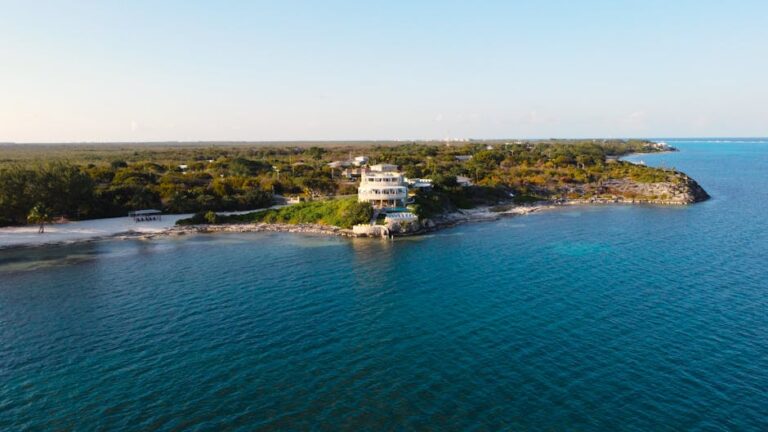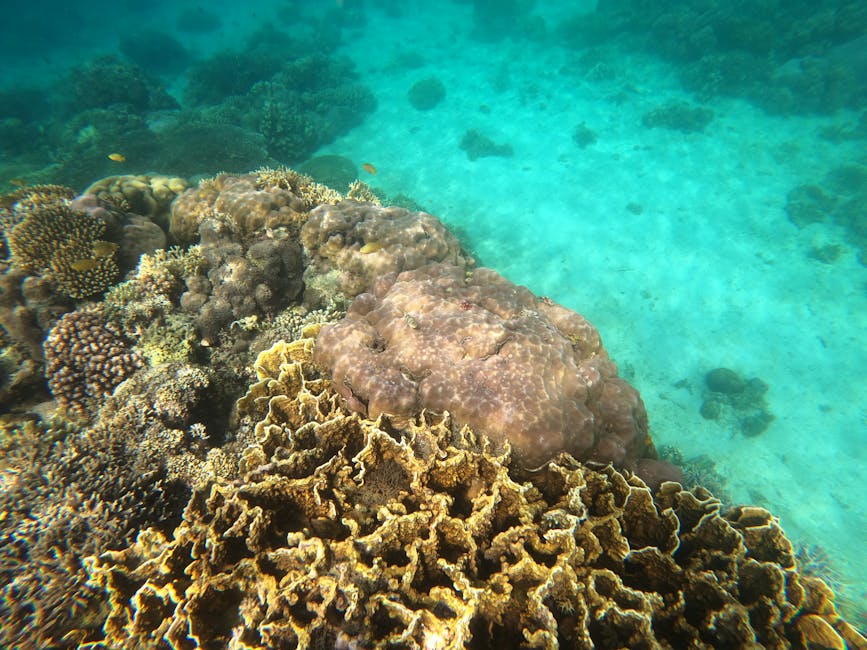
Afternoons on small coral islands unfold more slowly than most travelers expect. The morning often begins with activity: boats arriving, snorkelers entering the water, guides explaining where the reef slopes begin. By early afternoon the rhythm changes. Boats depart for the mainland or move toward deeper dive sites, and the island gradually returns to a quieter pace.
It is during these hours that the character of reef islands becomes most noticeable. The light grows warmer, the wind usually softens, and the water surrounding the island begins to look calmer than it did earlier in the day. From the beach the reef appears almost motionless, though beneath the surface currents continue moving steadily through coral formations.
Many of the most memorable reef moments happen during these quiet afternoon periods, when the environment settles and the sea seems to breathe more slowly.
The Changing Shape of the Reef
Coral islands often sit on top of reef platforms that extend outward for hundreds of meters before dropping into deeper water. During high tide these reef flats remain hidden beneath the surface. By mid-afternoon, especially during falling tides, sections of the reef begin to appear more clearly.
From the shoreline you can often see the pale outlines of sand channels weaving between darker coral patches. These channels function almost like underwater pathways, guiding water movement across the reef. Small fish move through them in loose groups, while rays occasionally glide across the sandy sections searching for food.
As the tide continues to fall, shallow coral heads begin approaching the surface. In some places the reef appears so close to the air that waves break gently across its edges. What looked like a continuous sheet of water in the morning gradually reveals its structure.
It becomes easier to understand how the reef is organized.
The Quiet Hours After Boat Traffic
One of the subtle differences between morning and afternoon on reef islands is the amount of boat traffic. Many tours operate on strict schedules that bring visitors to the reef during late morning or early afternoon. Once those boats leave, the atmosphere shifts.
The water surface becomes smoother without constant wake patterns. Sound travels differently across the lagoon. Sometimes the only noise comes from small waves touching the coral rubble along the shoreline.
Fish often move closer to shallow coral gardens once the disturbance fades. Schools that had stayed deeper earlier in the day begin drifting toward the reef edges. It is not unusual to see parrotfish grazing along coral formations only a few meters from the beach.
These quiet hours reveal how sensitive reef environments can be to human activity, even when that activity is relatively light.
Afternoon Light Over the Lagoon
Late afternoon often produces the most striking views across shallow lagoons. As the sun lowers toward the horizon, the angle of the light begins highlighting the shapes of coral formations rather than simply illuminating their colors.
Coral heads cast long shadows across the sand, revealing the contours of the lagoon floor. Sand patches glow softly beneath the water, while deeper coral areas appear darker by comparison.
These shifting light patterns give the lagoon a sense of depth that can be difficult to capture in photographs but becomes obvious to anyone floating quietly above the reef.
The longer you stay in the water, the more these subtle details emerge.
How Wind Shapes the Afternoon
On many tropical islands, wind patterns follow predictable daily cycles. Morning hours may begin calm, but by late morning steady breezes develop as warm air rises over the land. By mid-afternoon those winds frequently begin to fade again.
This cycle changes how the reef feels throughout the day. When wind pushes across the water, the surface becomes textured with small waves that scatter sunlight. Visibility from above decreases slightly because reflections break up the view.
Once the wind settles, the water often returns to a glassy appearance. Coral formations become visible again through the surface, and fish movement can sometimes be seen from the beach.
Travelers who spend multiple days on reef islands begin recognizing these patterns instinctively. Certain times of day simply feel better suited for quiet snorkeling or observation.
Marine Life Returning to the Shallows
Afternoon hours also bring subtle shifts in marine life behavior. Some reef fish that spent the brighter hours deeper in the reef begin exploring shallow coral gardens again. The change is gradual, but noticeable if you remain in the water long enough.
Damselfish return to their coral territories, defending small patches of reef against other fish. Schools of fusiliers move along the outer edges of the reef platform where currents remain slightly stronger.
Occasionally a turtle appears in the lagoon during these calmer hours. They move slowly through shallow water, often pausing near coral heads before surfacing briefly for air.
Encounters like this rarely feel dramatic. Instead they unfold quietly, as if the reef is slowly revealing its inhabitants once the environment becomes calm enough.
The Feeling of Isolation
Small coral islands often produce a sense of isolation that becomes stronger in the late afternoon. With fewer boats nearby and the sea growing calmer, the surrounding ocean begins to feel larger.
Standing on a narrow strip of sand while looking across open water can create the impression that the island sits alone in the middle of the reef system. In reality, other coral structures may lie just beneath the surface beyond the horizon line.
This illusion of distance is part of what makes reef islands memorable places to spend time. The environment feels expansive even though the island itself might only be a few hundred meters wide.
The sea surrounds everything.
When the Reef Prepares for Evening
As afternoon transitions toward evening, subtle changes begin appearing in the reef environment. Light softens and colors shift toward warmer tones. Coral heads cast longer shadows across the sand.
Fish activity sometimes increases briefly before sunset. Small species move quickly between coral branches, while larger fish patrol along the edges of the reef slopes.
These movements rarely last long. Once the sun begins dropping lower toward the horizon, the reef gradually prepares for night. Some fish retreat deeper into coral structures where they remain protected during the darker hours.
Watching these transitions from the water offers a glimpse into the daily rhythms that shape reef ecosystems.
Leaving the Island at Day’s End
Eventually the afternoon light fades enough that the lagoon loses its bright colors. Coral structures become darker shapes beneath the surface. The sea remains calm, but the reef feels quieter than before.
Leaving a reef island at this hour often produces a strange sense of reluctance. The environment feels balanced and peaceful in a way that rarely appears during the busier hours of the day.
Many travelers remember coral reefs primarily for their bright underwater colors or dramatic marine life encounters. Those moments certainly exist. But afternoons on remote coral islands reveal something different: the slower rhythm of a living environment adjusting to light, tide, and wind.
That quiet rhythm is often what stays in memory long after the journey ends.