Tobago sits at the southern edge of the Caribbean chain, close enough to Trinidad that you can see it across the water on clear mornings. The island has a particular rhythm that becomes obvious after a few days – one that doesn’t match the brochure version of tropical ease. There’s real work involved in accessing the reefs and beaches worth visiting, and the experience changes dramatically depending on when you arrive and what conditions the ocean is offering that day.
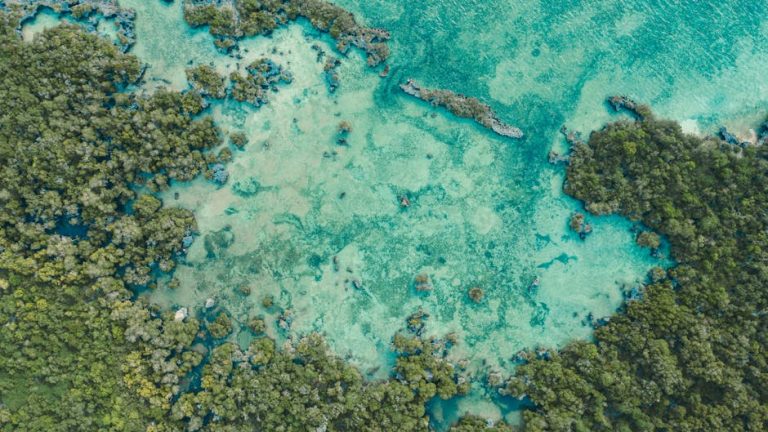
The reef systems around Tobago exist in a state of constant negotiation with the Atlantic swells and seasonal weather patterns. Unlike the calm, protected lagoons you find on islands further west, Tobago’s reefs face direct ocean exposure on the windward side. This means the water clarity, accessibility, and even whether boats can safely reach certain sites shifts week to week. The leeward side – where most reef activity centers – offers more stable conditions, but “stable” is relative. Even on calm days, there’s usually a current running through the deeper channels.
The Reef Experience
Reef diving and snorkeling around Tobago requires a realistic assessment of your comfort level in moving water. The reef structures themselves are worth the effort – brain corals the size of cars, healthy stands of staghorn and elkhorn coral, and fish populations that suggest the reefs are still functioning as actual ecosystems rather than just scenic backdrops. But you need to understand what that means practically.
Most reef sites operate through boat access from the main towns. Scarborough on the leeward side is the primary departure point, and the boat ride itself takes 20 to 40 minutes depending on which reef you’re visiting. The boats are functional rather than comfortable – open to the sun, no shade, and the ride can be bumpy if there’s any swell running. You’ll spend time waiting for other divers or snorkelers to assemble, dealing with equipment checks, and listening to safety briefings that vary in quality depending on the operator. Experienced divers notice quickly which operators maintain their gear properly and which ones cut corners. The difference matters when you’re 30 meters down.
The actual underwater time depends on your certification level and the specific site. Shallow snorkeling works for anyone with basic comfort in the water, though the current can make it tiring if you’re not a strong swimmer. Drift snorkeling – where you move with the current rather than fighting it – is common here, and it requires a different mindset than stationary reef viewing. You’re moving through the environment rather than hovering in one spot. Some people find this exhilarating. Others find it disorienting, especially if the visibility drops or the current picks up unexpectedly.
Beaches and Coastal Rhythm
The beaches themselves vary significantly around the island. The northern coast has the famous Pigeon Point Beach – a long, curved stretch of sand that fills with day-trippers and tour groups by mid-morning. If you want to experience it without the crowd intensity, you need to arrive before 9 a.m. or plan to visit on a weekday. The sand is fine and the water shelves gradually, making it accessible for families and weak swimmers. But the atmosphere changes entirely once the buses start arriving around 10 a.m.
The less-visited beaches require more effort to reach. Englishman’s Bay on the northwest coast sits at the end of a winding road and involves a short walk through vegetation to reach the sand. The payoff is a smaller crowd and a different feel – the beach is narrower, the water has more character, and the backdrop of forested hills changes how the light hits the water at different times of day. The trade-off is accessibility. If you’re renting a car, the road is manageable. If you’re relying on taxis, the cost adds up quickly.
Man O’ War Bay on the Atlantic side offers dramatic coastal scenery – high cliffs, rougher water, and a sense of exposure that the leeward beaches don’t have. The water is colder, the currents are stronger, and the beach itself is rockier. It’s not a swimming destination for most people, but it’s worth visiting for the sheer difference in atmosphere from the calm western side. The drive there takes you through the island’s interior, and you notice the vegetation changes as you move from the drier leeward side to the wetter windward slopes.
Seasonal Patterns and Water Conditions
The dry season runs roughly from January through May, and this is when most reef activity concentrates. The water is clearer, the swells are smaller, and boat operators run more frequent trips. But “clearer” is context-dependent – visibility might be 20 to 30 meters on a good day, which is decent for reef diving but not exceptional. Particulates from river runoff and seasonal plankton blooms affect clarity year-round.
The wet season brings heavier rainfall, stronger Atlantic swells, and reduced visibility. Some reef sites become inaccessible for weeks at a time. The water temperature stays warm – around 28 to 29 degrees Celsius year-round – so a wetsuit isn’t essential, but many divers use a thin 3mm suit for protection and thermal regulation during longer dives. The current patterns shift seasonally too. Operators who know the reefs adjust their site selection based on the time of year, but not all operators maintain that level of local knowledge.
Early mornings feel different on the island. The light is softer, the water is calmer before the afternoon wind picks up, and the beaches have a different energy before the heat becomes oppressive. If you’re planning reef activities, starting early gives you better conditions and less crowding. By afternoon, the wind often increases, the water gets choppier, and fatigue from sun exposure becomes a real factor.
Practical Realities
Accommodation on Tobago ranges from basic guesthouses to mid-range resorts. The island doesn’t have the high-end resort infrastructure of larger Caribbean destinations, which means fewer crowds but also fewer amenities. Getting around requires either renting a car or negotiating taxi fares that are higher than you’d expect. Public transportation exists but runs on a schedule that’s more suggestion than commitment.
Food is available but limited compared to Trinidad or larger islands. Local restaurants serve functional meals rather than culinary experiences. The grocery stores stock basics, but if you have specific dietary needs, you’ll need to plan ahead. Fresh produce appears at markets, but availability varies seasonally.
The reef and beach experience in Tobago works best if you arrive with realistic expectations about access, timing, and conditions. The reefs are genuinely healthy and worth exploring. The beaches offer real variety depending on which side of the island you visit. But getting to these places requires flexibility, patience with boat schedules, and acceptance that Caribbean weather and ocean conditions don’t always cooperate with your plans. The experience feels authentic partly because it’s not overly polished or controlled. You’re working within the island’s actual rhythms rather than moving through a manufactured tourist experience.