The southern coast of Sri Lanka draws snorkelers with promises of coral reefs and tropical fish, and two spots in particular – Polhena and Mirissa – anchor most conversations about reef diving in the region. Both sit within a short distance of each other along the Matara District, separated by maybe fifteen kilometers of coastal road, yet they feel entirely different once you’re in the water. Understanding what actually happens at each location requires spending time there, not just reading about it.
Polhena sits near the village of Unawatuna, tucked into a sheltered bay where the reef begins close to shore. The beach itself is narrow, backed by small guesthouses and a handful of restaurants that cater to travelers passing through. What makes Polhena practical is accessibility. You can walk into the water from the sand, wade out maybe thirty meters, and find yourself over the reef. There’s no boat required, no early morning coordination, no waiting for guides. This simplicity attracts families and casual snorkelers who want to experience coral without the logistics of organized trips.
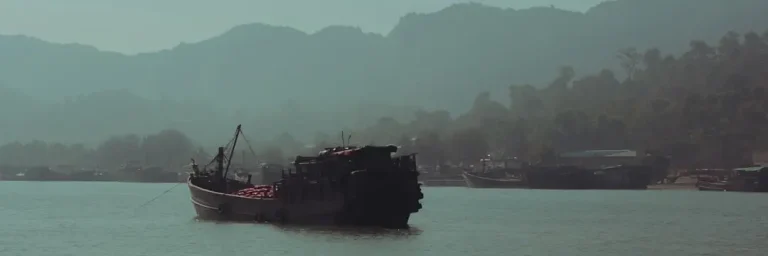
Mirissa, by contrast, operates differently. The main reef lies offshore, requiring either a boat ride or a swim of several hundred meters from the beach. The beach itself is wider and sandier, with a more developed tourist infrastructure. Mirissa has become known for whale watching during certain seasons, and the reef snorkeling often feels secondary to that activity. When you do go snorkeling from Mirissa, you’re typically joining a boat tour or hiring a local guide, which changes the entire experience – timing, group size, and how long you spend in the water.
Water Conditions and Visibility
Visibility at both locations depends heavily on season and recent weather. During the dry season from November through March, the water tends to be clearer, with visibility sometimes reaching eight to twelve meters on good days. The southwest monsoon, which runs roughly May through September, brings rougher seas and cloudier water. At Polhena, the bay’s shelter helps somewhat, but heavy rain upstream still muddies the water through runoff. I’ve visited during both seasons, and the difference is noticeable. In clearer months, you see the reef structure clearly – the branching corals, the sandy patches between formations, the fish behavior. In murkier conditions, you’re swimming through a haze, spotting shapes rather than details.
Mirissa’s offshore reef benefits from slightly better water circulation, which can mean marginally better visibility, but it’s not a dramatic difference. The real factor is tide and time of day. Morning dives, particularly in the first few hours after sunrise, tend to offer clearer conditions than afternoon visits when more boat traffic stirs up sediment and the sun angle changes how light penetrates the water.
What You’ll Actually See Underwater
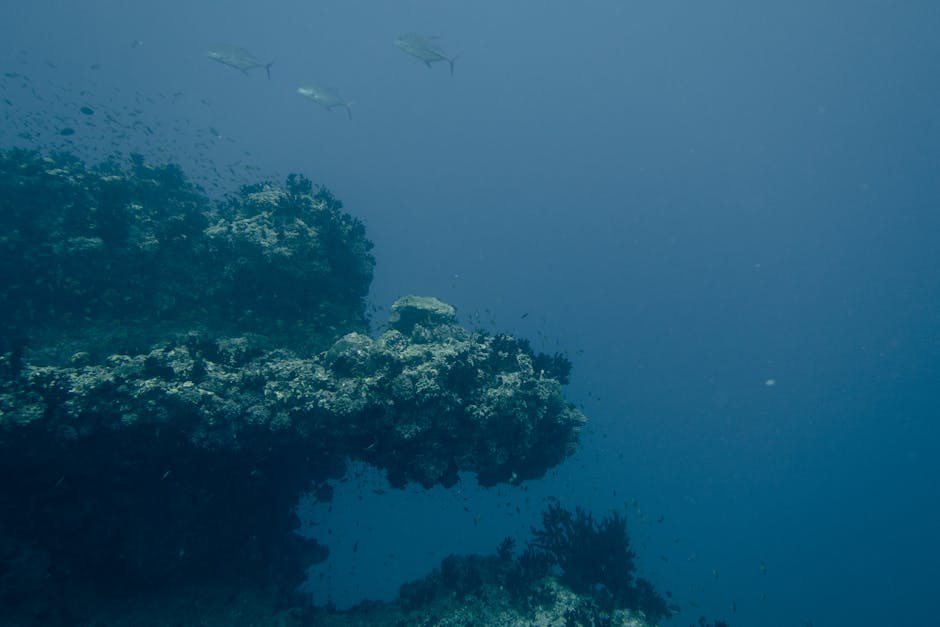
Both reefs support similar marine life, though the composition varies. Polhena’s shallow reef hosts smaller coral formations – mostly branching corals, some brain corals, and patches of soft coral. The fish life includes parrotfish, wrasses, fusiliers, and smaller reef residents. You’ll see butterflyfish in pairs, damselfish defending their territories, and occasionally larger groupers. The reef isn’t pristine. There’s visible coral damage, bleaching in some areas, and signs of human impact. This isn’t unusual for reefs this close to populated areas and regularly visited by tourists.
Mirissa’s reef is more extensive, with deeper sections that drop to fifteen or twenty meters. If you’re comfortable diving deeper, you’ll encounter larger coral formations and sometimes bigger fish – snappers, trevally, and occasionally reef sharks. Most snorkelers stay in the shallower sections, which resemble Polhena’s environment. The advantage of Mirissa’s offshore location is that it’s slightly less visited than Polhena, which means the reef sees fewer snorkelers daily, though this changes dramatically during peak tourist season.
Crowds and Timing
Polhena gets busy. Because entry is free and access is immediate, it attracts casual swimmers, families, and independent travelers who don’t book tours. Early morning – before eight in the morning – offers the calmest experience. By nine or ten, the beach fills with tour groups, and the water becomes noticeably more crowded. Afternoon visits are consistently busier. The reef itself isn’t so packed that you can’t navigate it, but you’re sharing space with many other snorkelers, and the fish behavior changes. They become warier, less curious about humans.
Mirissa’s boat-based snorkeling creates a different dynamic. Tour operators typically take groups of six to twelve people. You’re not competing with random swimmers, but you’re also moving as a group with a guide, which limits flexibility. If you want to spend twenty minutes watching a particular coral formation, that’s not always possible. The advantage is that fewer independent snorkelers reach Mirissa’s offshore reef, so the marine life there is slightly less habituated to human presence.
Practical Realities
Polhena requires minimal preparation. Bring a mask, snorkel, and fins, or rent them locally. The beach has vendors offering gear, though quality varies. The water temperature hovers around twenty-six to twenty-eight degrees Celsius year-round, so a thin wetsuit isn’t necessary unless you’re sensitive to cold. You can spend an hour or three hours – entirely your choice. The downside is that without a guide, you’re navigating the reef yourself. If you’re unfamiliar with reef environments, this can feel disorienting. The reef isn’t marked, and it’s easy to lose track of where you entered or how to return efficiently.
Mirissa’s organized tours typically last two to three hours, including boat time. Guides point out marine life and can identify species, which adds educational value if that interests you. Costs run higher – usually between thirty and fifty dollars per person depending on the operator and group size. You’re paying for the boat, the guide’s expertise, and the convenience of being taken to a specific reef location. The trade-off is less autonomy and a more structured experience.
Both locations have accommodation nearby, making them accessible for day visits or longer stays. Unawatuna, where Polhena sits, is quieter and more geared toward budget travelers. Mirissa has more developed tourism infrastructure, with restaurants, bars, and a wider range of accommodation options. If you’re planning to snorkel at both, staying in Unawatuna or Mirissa for a few days gives you flexibility to visit based on weather and how you’re feeling.
Seasonal Considerations
The southwest monsoon affects both locations, but Polhena’s sheltered bay handles rough seas better than Mirissa’s open beach. If the ocean is choppy, Polhena remains snorkelable while Mirissa boat tours might be canceled. Conversely, during the dry season, both are reliable. The busiest months are December through February, when European travelers escape winter and tourism peaks. If you prefer quieter conditions, visit during shoulder months like October, November, or April. The water is still warm, visibility is usually acceptable, and crowds are noticeably lighter.
The reality of snorkeling these reefs is that they’re moderately interesting, not spectacular. If you’ve snorkeled in the Caribbean or Southeast Asia, you’ll find the coral diversity and fish abundance here somewhat modest. But for travelers based in Sri Lanka or passing through the south coast, they’re convenient and worthwhile. Polhena offers immediate access and flexibility; Mirissa provides a more structured experience and slightly better offshore reef conditions. Neither requires extensive planning or specialized equipment. Both are accessible, affordable, and deliver what they promise – a chance to see coral and fish in their natural environment, with the understanding that these are working reefs affected by tourism and climate pressures, not pristine underwater gardens.