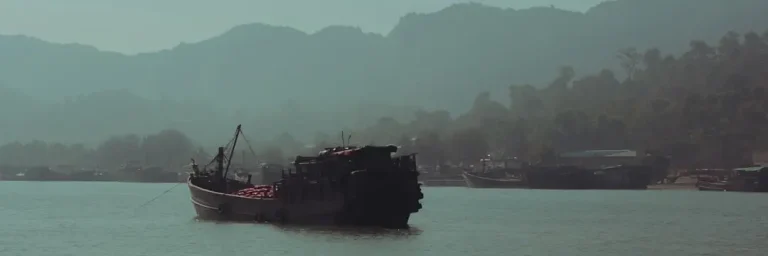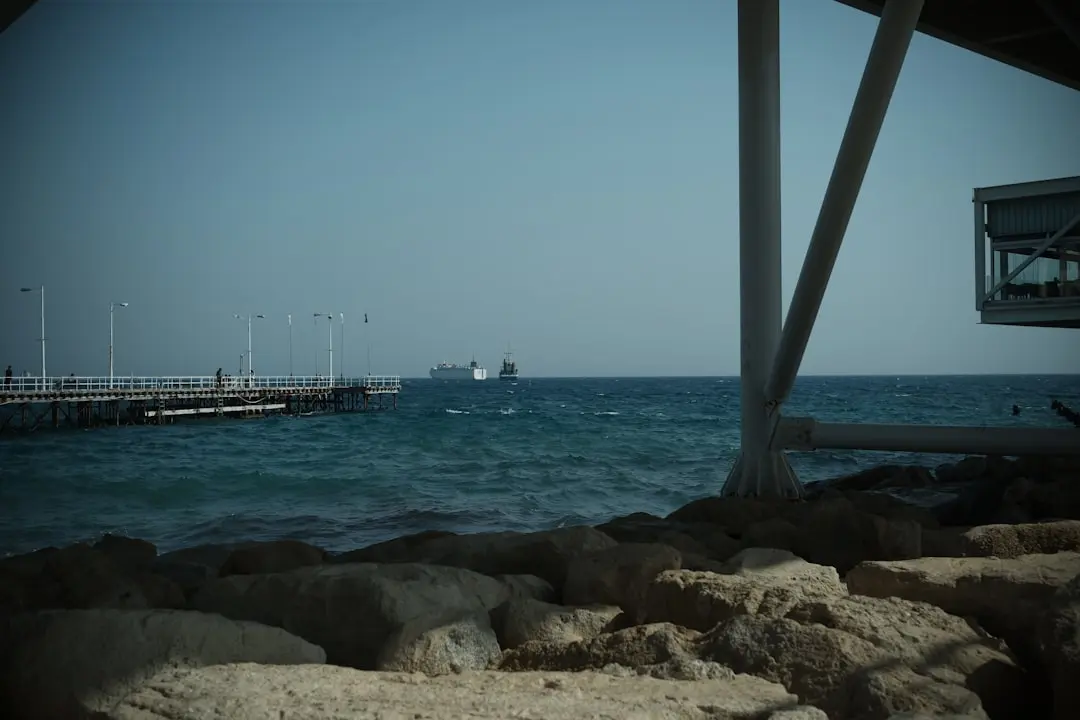
Playa del Carmen sits on Mexico’s Caribbean coast where the water turns from pale turquoise near shore to deeper blue as you move seaward. The town itself has grown considerably over the past decade, but the reefs that draw people here remain accessible and worth visiting if you approach them with realistic expectations. The snorkeling experience depends heavily on when you go, how far out you’re willing to travel, and whether you’re prepared for the reality of sharing these spaces with other travelers.
The reefs closest to Playa del Carmen’s main beach are degraded. Years of boat traffic, anchoring, and foot traffic have left them patchy and less vibrant than they were years ago. If you snorkel directly from the beach in front of the town center, you’ll see coral rubble, some scattered fish, and plenty of sand. The water is warm and clear enough, but the marine life feels sparse compared to what you might imagine. Many visitors find this disappointing because the proximity to shore creates an expectation of easy access to thriving reef systems. The reality is that the most accessible reefs are also the most worn.
Timing and Crowds
Early morning makes a difference. If you enter the water before 9 a.m., you’ll encounter fewer snorkelers and calmer conditions. The Caribbean coast tends to have gentle swells in the morning, and visibility is often clearest before midday sun and boat activity stir up sediment. By 11 a.m., the beach fills with day-trippers, boat tours depart in clusters, and the water becomes noticeably busier. The afternoon brings stronger currents and choppier conditions, particularly if wind picks up from the north.
Weekdays are quieter than weekends, though Playa del Carmen’s tourism flow means you’ll rarely find yourself alone. The winter months (December through February) bring the heaviest crowds and the most consistent weather. Summer and early fall see fewer tourists but also more unpredictable weather and occasional algae blooms that reduce visibility. The trade-off between crowds and conditions is something you’ll need to weigh based on your tolerance for other people and your flexibility with water clarity.
The Reefs Worth Visiting
If you want to see healthier coral and more fish, you need to move beyond the immediate shoreline. Several reef systems lie within a short boat ride. Cozumel, the island visible from Playa del Carmen’s coast, has far superior snorkeling and diving sites, but it requires a ferry ride and adds a full day to your itinerary. Closer options include reef areas accessed by local boat tours that depart from the main beach or nearby piers.
The reef system known locally as the Mesoamerican Barrier Reef extends along this coast, and sections of it are reasonably healthy. Boat operators familiar with the area know which patches have recovering coral and consistent fish populations. These aren’t pristine reef systems – they show signs of stress and past damage – but they’re noticeably better than what you’ll find snorkeling from shore. The water depth varies, typically ranging from 15 to 40 feet depending on the specific site and tide.
One practical reality: organized snorkel tours from Playa del Carmen often visit multiple sites in a single outing. You’ll spend time on a boat with 15 to 30 other people, move between two or three locations, and have roughly 30 to 45 minutes of actual snorkeling time at each stop. This approach works if you want a structured experience and don’t want to arrange private boat access. The pace feels rushed to some travelers, while others appreciate the efficiency and the social aspect of group tours.
Water Conditions and What You’ll See
The Caribbean water off Playa del Carmen is warm year-round, typically ranging from 78 to 84 degrees Fahrenheit. You don’t need a wetsuit, though many snorkelers wear a thin rash guard for sun protection and minor abrasion protection from coral. Visibility fluctuates. On good days, you can see 60 to 80 feet ahead. On average days, expect 30 to 50 feet. After heavy rain or strong currents, visibility drops to 15 to 25 feet, which still allows snorkeling but reduces the sense of openness and makes spotting fish more challenging.
The fish populations you’ll encounter depend on the specific reef and time of day. Parrotfish, surgeonfish, snappers, and groupers are common. Smaller reef fish like wrasses and damselfish are abundant. Spotted eagle rays and nurse sharks appear occasionally, though not reliably. Sea turtles do inhabit these waters, but spotting one while snorkeling is more luck than expectation. The coral itself includes brain coral, elkhorn, and various soft corals, though bleaching and disease have reduced the density and health of coral colonies compared to decades past.
Currents vary depending on tide and wind. Some days the water feels still and easy to navigate. Other days, a noticeable current pushes you along the reef. Strong currents aren’t dangerous if you’re comfortable in the water, but they do affect your snorkeling experience. You’ll cover ground faster and have less control over your position. Guides on organized tours are accustomed to current conditions and will position the group accordingly.
Practical Logistics
If you’re staying in Playa del Carmen proper, snorkeling access is straightforward. Tours depart from the main beach area, and rental shops offer snorkel gear if you don’t have your own. Bring your own equipment if you prefer – rental gear is functional but often older and less comfortable than personal gear. Sunscreen is essential. The sun reflects off the water intensely, and even with reef-safe sunscreen, you’ll want to reapply frequently. Wear a rash guard or wetsuit to minimize sun exposure on your back.
Cost varies. Independent boat operators charge less than established tour companies, but the experience and safety standards differ. Established operators typically provide guides, snorkel instruction if needed, and some level of safety oversight. Independent operators might offer better value but require more self-sufficiency. Budget between 50 and 150 USD for a snorkel tour, depending on group size, boat type, and inclusions.
The town itself is tourist-oriented and can feel crowded and commercialized, particularly along the main beach and downtown areas. If you’re looking for a quieter Caribbean experience, Playa del Carmen isn’t it. The snorkeling is accessible and decent, but it’s embedded within a busy resort town. The trade-off is convenience and infrastructure versus atmosphere and solitude.
Snorkeling the local reefs from Playa del Carmen works best if you manage expectations. The immediate offshore reefs are accessible but worn. The better snorkeling requires a short boat ride and some planning. The water is warm and clear enough for a pleasant experience, but you’re sharing the space with other travelers. If you approach it as a convenient activity within a larger beach vacation rather than a destination-defining experience, you’ll likely find it worthwhile.