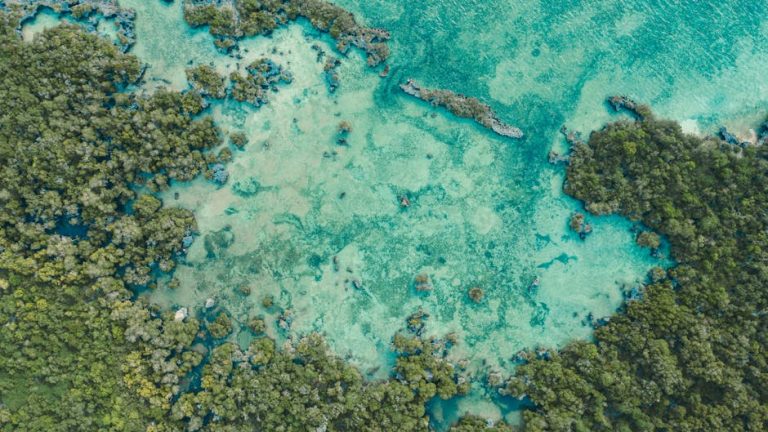
Raja Ampat archipelago in Indonesia represents the apex of global coral reef biodiversity. Comprising four major islands and over 1,500 smaller islands, this remote region in the easternmost part of Indonesia contains ecosystems found nowhere else on Earth.
The Heart of the Coral Triangle
Located at the convergence of the Pacific and Indian Oceans, Raja Ampat experiences unique oceanographic conditions that have driven exceptional evolutionary diversification. The name itself means “four kings” in Indonesian, referring to the four largest islands: Waigeo, Batanta, Salawati, and Misool.
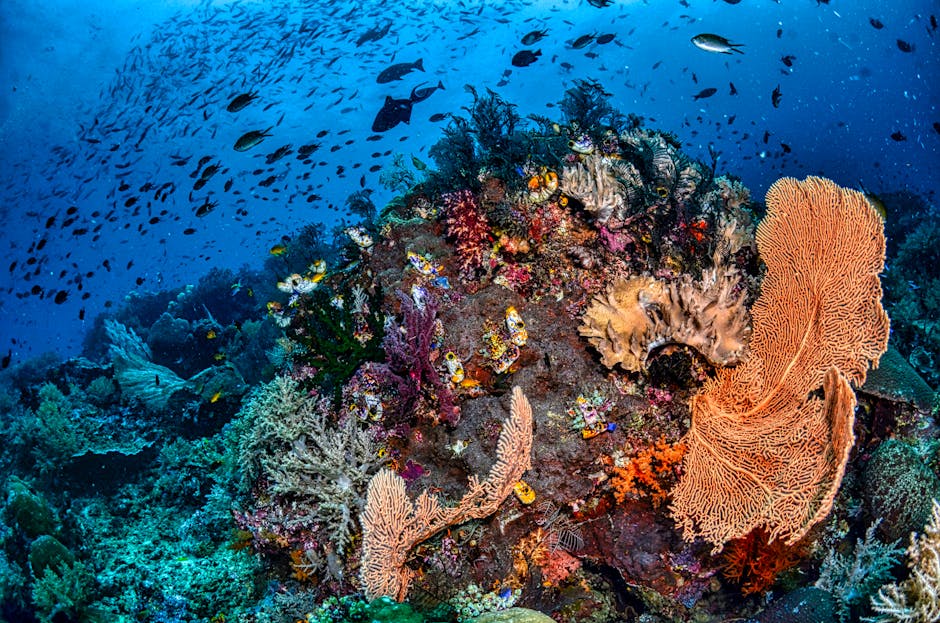
The region’s isolation has resulted in extraordinary endemism. Scientists estimate that 75% of coral species and 40% of reef fish species found here exist nowhere else on the planet. Each island’s reef system contains distinct species assemblages, making Raja Ampat a living textbook of coral reef evolution.
Diving the Reefs
Diving Raja Ampat requires commitment and planning. Most divers access the region via Sorong, a port city on the Indonesian mainland, followed by liveaboard vessels that navigate to the most pristine dive sites. The journey is arduous, but rewards are unmatched.
Top dive sites include: Pef, Wayag, Misool Ridge, and countless unnamed bommies (isolated coral formations) that rise from 40+ metre depths. Visibility typically exceeds 30 metres, and encounters with schooling hammerheads, thresher sharks, and manta rays are common rather than exceptional.
Conservation Status
Despite its remoteness, Raja Ampat faces mounting pressures. Fishing pressure, particularly from industrial trawlers, has decimated shark populations in adjacent waters. Climate change-driven warming threatens the region’s famous heat-sensitive corals. The Indonesian government has designated portions of Raja Ampat as marine protected areas, but enforcement remains challenging given the vast area and limited resources.