Gladstone sits on Queensland’s central coast, roughly 500 kilometers north of Brisbane, and it exists in an odd middle ground in Australian travel consciousness. Most people heading to the Great Barrier Reef fixate on Cairns in the far north, or they venture to the Whitsundays further south. Gladstone, positioned between these two poles, rarely appears in travel conversations. Yet the southern section of the reef accessible from here is genuinely worth the detour, particularly if you’re looking to avoid the relentless foot traffic that defines peak season in more famous reef towns.
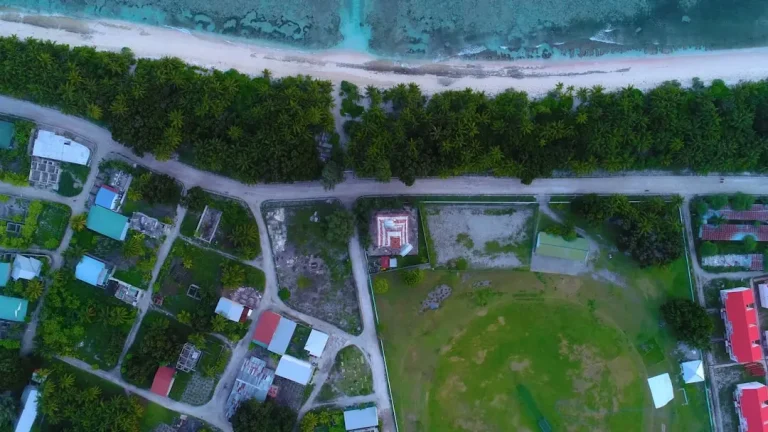
The town itself is industrial and unpretentious. It’s a working port with a significant export trade, and you’ll notice the infrastructure reflects this reality. Container ships move through the harbor. Grain facilities line the waterfront. This isn’t a place designed primarily for tourism, which means the visitor experience here feels fundamentally different from the manicured resort towns you might expect. There’s no manufactured charm, no carefully curated beachfront promenade designed to separate tourists from their money. What you get instead is a functional coastal town where reef access happens to be genuinely good.
Getting to the Reef from Gladstone
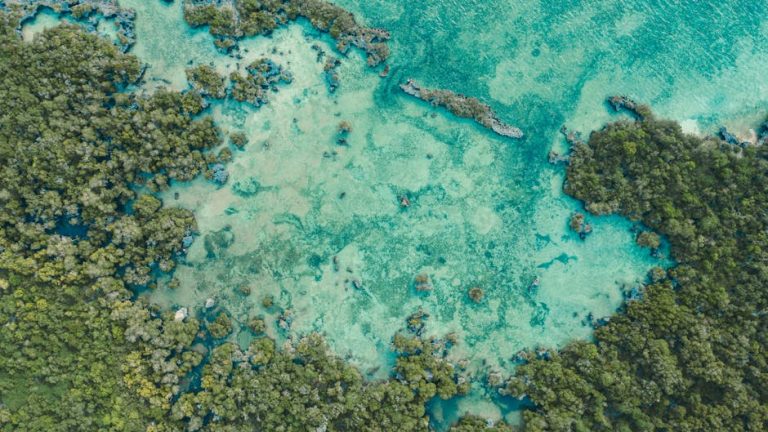
The key advantage of Gladstone is proximity to Heron Island and the southern reef system without the long boat transfers that characterize other gateways. Heron Island sits roughly 70 kilometers offshore, which translates to approximately 90 minutes by ferry. This is manageable, though the journey itself can feel rough if the wind is up. The waters here are less sheltered than those around the Whitsundays, and you’ll notice the difference on your body if you’re prone to seasickness.
Heron Island itself operates as a resort destination, which means accommodation and meals come as part of a package deal. This removes the flexibility of choosing where to stay, but it also simplifies logistics significantly. You arrive, you’re fed, you’re shown where the reef is. Day trips from Gladstone are possible if you prefer to base yourself in town, though the ferry schedule and timing constraints mean you’re looking at a fairly structured day rather than a leisurely exploration.
The southern reef around Heron Island differs noticeably from the northern sections. The coral formations tend to be less dramatic, the fish populations somewhat less dense. This isn’t degradation so much as a natural variation in ecosystem composition as you move south. The water temperature is cooler here, especially outside the summer months, which affects both the marine life you encounter and how long you can comfortably spend in the water without a wetsuit. Winter visitors often find themselves in a 5mm suit by June, which changes the experience considerably.
What the Water and Visibility Actually Offer
Visibility in the southern reef varies significantly by season and recent weather. During the dry season from May through September, you can expect clearer water, often reaching 20 to 30 meters on good days. This is when the reef photography looks its best and when snorkeling feels most rewarding. The winter months also bring calmer seas, which means more stable boat conditions and easier water entry for less experienced swimmers.
Summer, by contrast, brings warmer water but also higher rainfall and occasional rough seas. The wet season runs from November through March, and while the water temperature is pleasant, visibility can drop significantly after heavy rain. The reef itself doesn’t disappear, but the experience becomes murkier and less visually satisfying. If you’re traveling during this period, manage your expectations accordingly. You’re still seeing coral and fish, but through a slightly clouded lens.
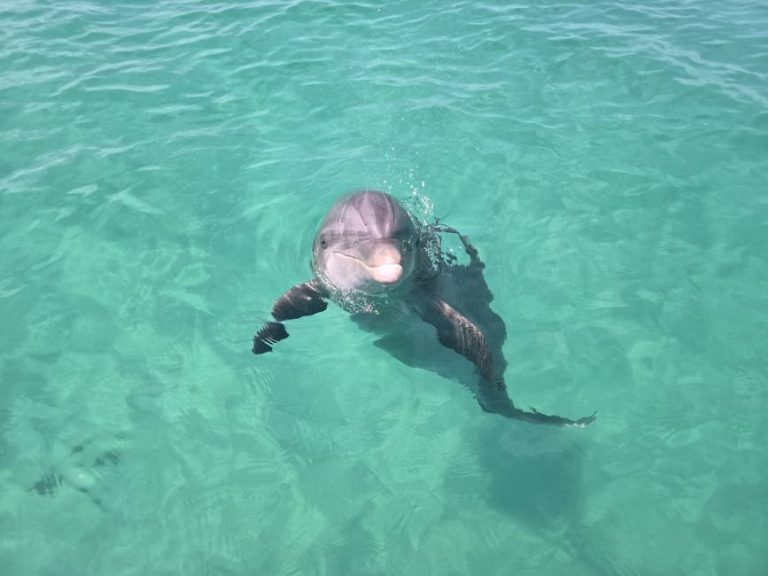
The reef here supports healthy populations of reef sharks, which tends to unsettle some visitors despite their general disinterest in humans. Wobbegongs rest on the sandy bottom. Reef sharks patrol the deeper sections. These are normal reef inhabitants, and their presence actually indicates a reasonably healthy ecosystem. The anxiety around sharks is almost always disproportionate to the actual risk, but understanding this intellectually and feeling it emotionally while in the water are two different things.
The Practical Reality of Visiting
Gladstone itself doesn’t offer much beyond the reef access. There’s a decent enough main street with cafes and shops, but you’re not coming here for the town experience. The accommodation options range from basic motels to slightly nicer hotels, none of which are particularly memorable. The food scene is functional rather than exciting. This matters because if you’re planning a longer stay, you need to be comfortable with a fairly quiet, unremarkable town environment.
The real advantage emerges when you consider the crowds. Cairns during peak season can feel genuinely overwhelming, with dozens of tour operators running similar trips and boats queuing at popular reef sites. Gladstone’s smaller visitor numbers mean you’re more likely to encounter fewer people at the reef itself. The snorkeling experience feels less like joining a managed group activity and more like actually exploring. This quieter atmosphere extends to the boats themselves, which tend to be smaller and less crowded than the massive catamarans operating out of Cairns.
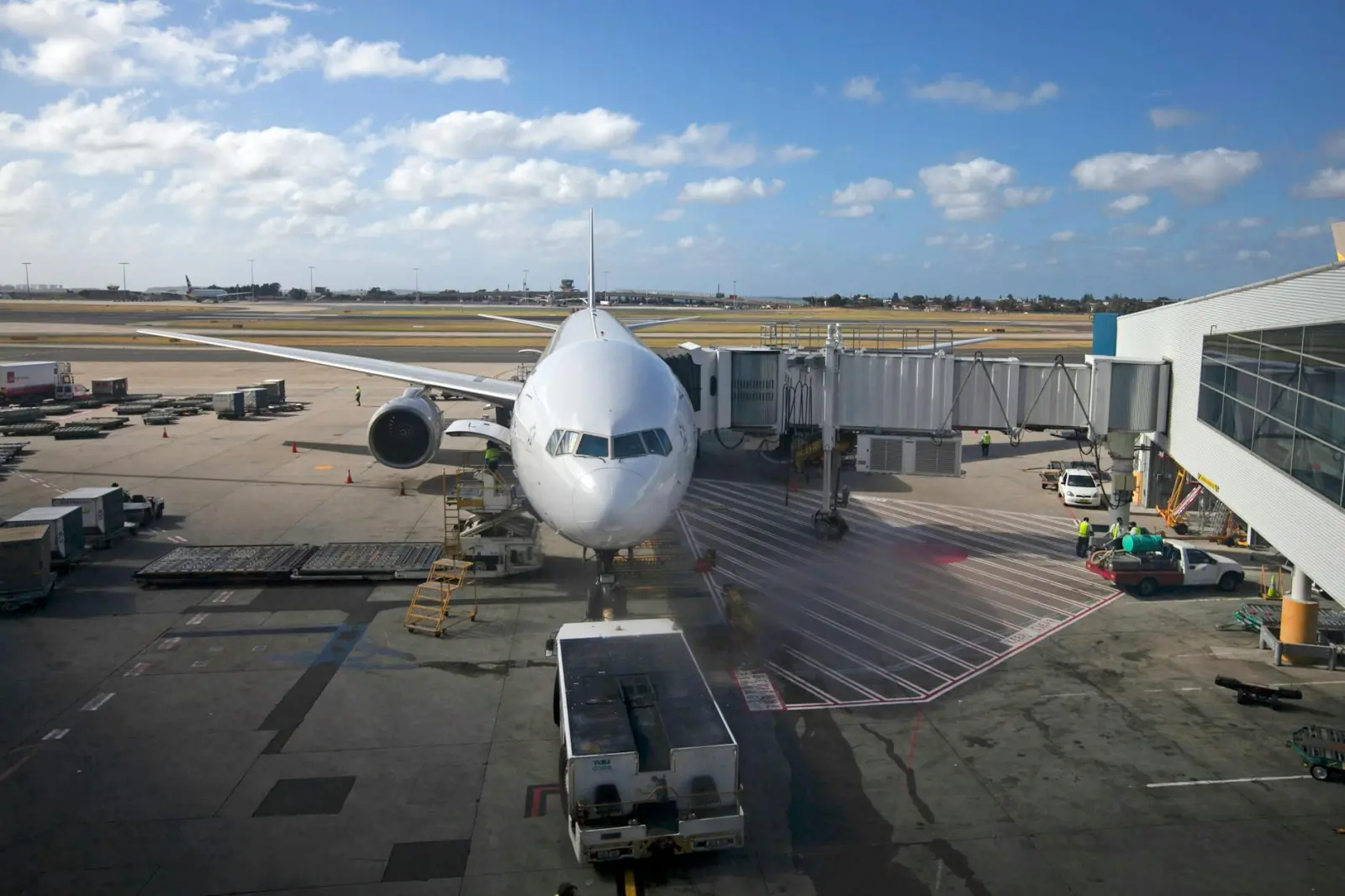
Getting to Gladstone requires some planning. If you’re flying, you’ll likely arrive in Brisbane and drive north for several hours, or take a domestic flight to Gladstone airport itself. The drive is straightforward but monotonous, moving through inland Queensland landscape that’s pleasant enough but not particularly dramatic. Many visitors combine Gladstone with other Queensland destinations rather than making it a standalone trip, which makes sense given the limited town amenities.
Seasonal Considerations and Timing
The best window for visiting is typically May through September. The water is clear, the seas are calmer, and the weather is predictable. You’ll need a wetsuit during these months, but the visibility payoff is worth it. The shoulder months of April and October can work well too, offering a balance between reasonable conditions and fewer crowds than peak winter.
November through March brings warmer water but introduces weather uncertainty. Cyclone season officially runs from November through April, and while direct hits on Gladstone are rare, the system can still generate rough seas and poor visibility. Most reef operators maintain strict weather-related cancellation policies, which means you might book a reef trip only to find it cancelled due to conditions. This is genuinely frustrating when it happens, and it’s worth building flexibility into your schedule if you’re traveling during the wet season.
The local rhythm of Gladstone is fundamentally different from reef tourism hotspots. The town doesn’t really shift into high gear for visitors. Restaurants and shops operate on their own schedule, not adjusted for tourist peaks. This can feel refreshing if you’re tired of the commercialized tourism machine, or it can feel inconvenient if you’re expecting standard tourist services and amenities. Understanding this distinction before you arrive makes a significant difference to your overall experience.
The southern Great Barrier Reef remains a genuine marine environment worth experiencing, and Gladstone provides a quieter, less hyped gateway to access it. The reef here isn’t more spectacular than its northern counterparts, but it’s also not significantly diminished. What you’re really gaining is perspective and space, a chance to experience the reef without the overwhelming sense of being processed through a tourism operation. That quieter approach appeals to some travelers and leaves others wanting more action and activity. Knowing which camp you fall into before you book makes all the difference.