There are dive sites that are good, and there are dive sites that make you stop mid-water column and just look. Pixie Pinnacle is the second kind. It’s a coral tower rising from 28 metres to within 6 metres of the surface, and every centimetre of its surface is covered – sea fans, soft corals, encrusting sponges, feather stars, and the fish that live among them. The density of life on the pinnacle is such that the underlying coral structure is almost invisible. It looks less like a reef and more like a living sculpture.
Pixie Pinnacle sits on the outer edge of Ribbon Reef No. 10, a few kilometres from Cod Hole, and it’s typically included on the same liveaboard itinerary. The two sites are complementary – Cod Hole for the fish encounters, Pixie Pinnacle for the coral spectacle. Together, they make Ribbon Reef No. 10 one of the most consistently rewarding dive destinations on the northern GBR.
The Pinnacle Structure
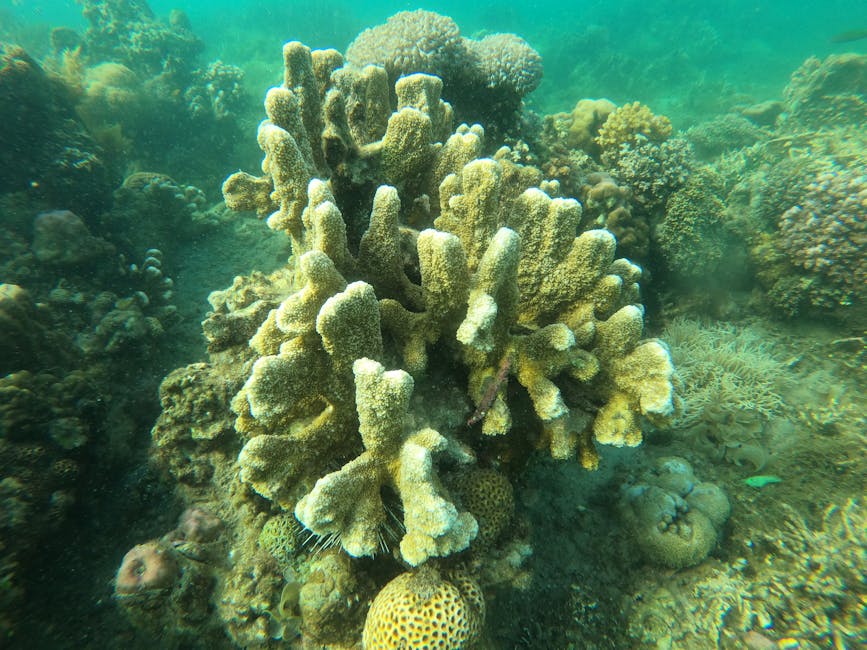
The pinnacle rises from a sandy bottom at 28 metres, and the profile changes with depth. The deeper sections (20-28 metres) are dominated by large sea fans – some exceeding two metres in diameter – and the encrusting sponges and soft corals that grow in the lower light conditions. The mid-section (10-20 metres) has the highest density of soft corals, in orange, pink, and purple, covering the rock surface so completely that the underlying structure is invisible. The shallow section (6-10 metres) transitions to hard coral – plate corals and staghorn thickets that extend from the pinnacle top onto the surrounding reef.
The fish life on the pinnacle is correspondingly dense. Schools of anthias – small, orange-pink fish that hover in clouds above the coral – surround the pinnacle at all depths. Larger fish – grouper, sweetlips, and the occasional reef shark – patrol the deeper sections. Nudibranchs are abundant on the soft coral surfaces, and the patient diver who looks carefully will find flatworms, shrimp, and other small invertebrates in the crevices between coral branches.
Photography at Pixie Pinnacle
Pixie Pinnacle is one of the most photographed dive sites on the GBR, and the photography is genuinely challenging – the density of colour and form makes composition difficult, and the contrast between the dark water and the brightly coloured corals requires careful exposure management. Wide-angle shots of the full pinnacle work best in the early morning, when the sun angle produces shafts of light through the water column. Macro photography of the nudibranchs and small invertebrates works at any time of day.
I’ve dived Pixie Pinnacle four times, and each time I’ve come away with photographs that don’t quite capture what it looks like in person. This is a common experience with the best dive sites – the combination of three-dimensional space, moving water, and living colour produces something that a two-dimensional image can only approximate. The only way to understand Pixie Pinnacle is to be there, hovering in the water column, surrounded by it. That’s not a complaint. That’s the point.