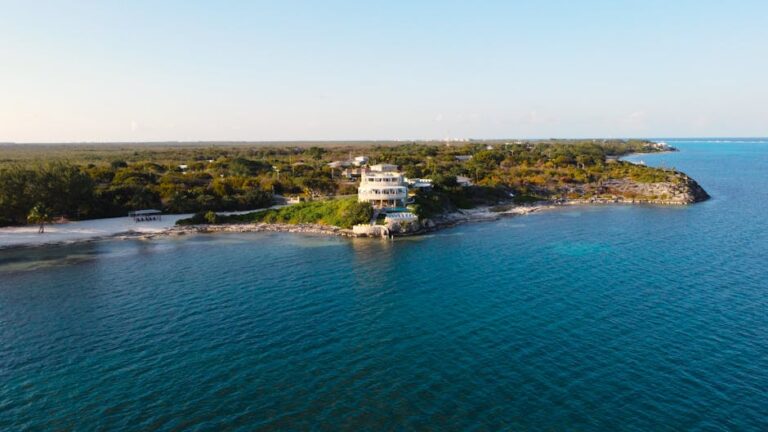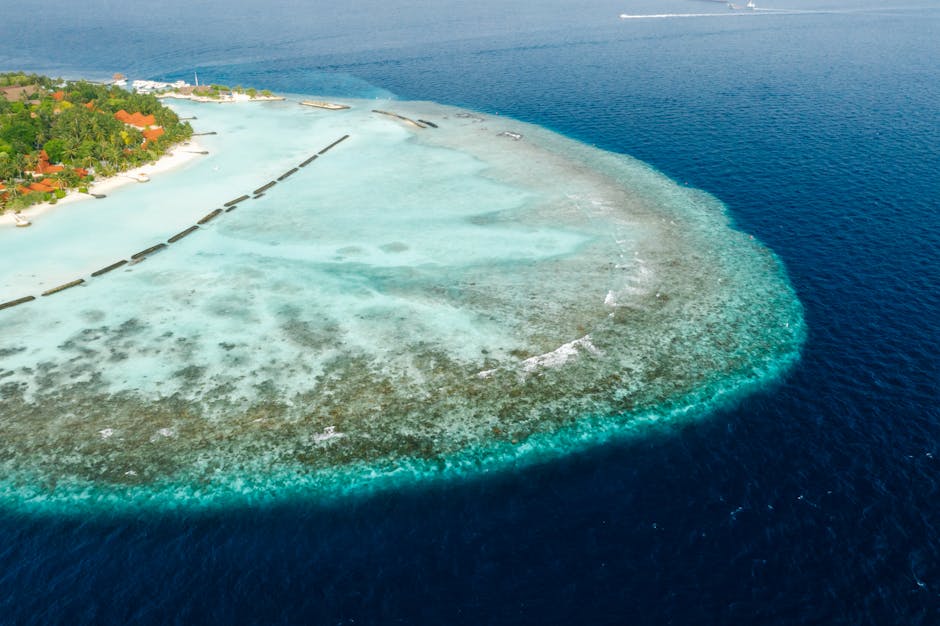
The question I get asked most often by people planning their first Great Barrier Reef trip is some version of: “Which island should I stay on?” And my honest answer, every time, is that the island question is the wrong question. The right question is: what kind of reef experience do you want? Because the islands of the GBR are not interchangeable — they differ fundamentally in character, accessibility, the type of reef they sit on, and what they offer both in and out of the water.
What follows is not a ranking. It’s a map of different experiences, so you can choose the one that actually matches what you’re looking for.
Understanding the Geography First
The Great Barrier Reef contains 900 islands of various types. The ones that matter for this conversation fall into three broad categories:
Coral cays are low, flat islands built from accumulated coral rubble and sand. They sit on platform reefs, are entirely surrounded by reef, and have no topography to speak of. Lady Elliot, Heron, Lady Musgrave, and the Low Isles near Port Douglas are all coral cays. They put you directly on the reef, they have significant seabird populations, and they are some of the finest places in Queensland for an immersive reef experience. They don’t have hills, views, or the dramatic island aesthetics that many travellers picture.
Continental islands are elevated, forested islands that were once connected to the mainland. The Whitsundays, Magnetic Island, Fitzroy Island, and Lizard Island are continental islands. They have hills, beaches, hiking, and the visual drama of forested tropical island scenery. Their surrounding reef varies in condition — some are excellent, some are modest.
Resort islands is a functional category rather than a geological one — islands on which significant tourism infrastructure has been built. Hamilton Island, Hayman Island, Lizard Island, and Heron Island all qualify. Some are cays, some continental; what they share is that you can stay on them in a resort setting.
The Southern GBR Islands: For Reef Immersion
The southern GBR islands — Lady Elliot (on a platform reef 80km off Bundaberg), Heron Island (72km off Gladstone), and Lady Musgrave Island (140km off Bundaberg, day-trip accessible) — represent the most ecologically intact and research-rich reef island experiences available on the GBR.
Lady Elliot and Heron are covered in detail elsewhere on this site. Lady Musgrave deserves a mention here: it’s a coral cay on a beautiful lagoon reef, accessible by catamaran day trip from Bundaberg or by live-aboard anchored in the lagoon. Day-trippers snorkel the lagoon and the reef edge; campers who stay on the island get the dawn and dusk and dark — the times when the reef is at its most active and the experience most intimate.
These southern islands are less glamorous, more remote, and significantly better for serious reef engagement than most of the more famous names further north.
The Whitsundays: For the Full Island Experience
The Whitsunday group offers the most varied island experience on the GBR: sailing between islands, beaches that rank among the finest in the world, reasonable diving at Bait Reef and the outer reef, and a level of scenic drama — forested hills, clear green bays, the Hill Inlet sand swirls at Whitehaven — that the flat coral cays can’t match.
Hamilton Island has the best access (direct flights from eastern capitals) and the most facilities. Airlie Beach on the mainland is the departure point for sailing charters and live-aboard trips that allow you to choose your anchorage each night. For a first GBR trip that balances reef experience with island scenery, the Whitsundays is often the right answer.
The Northern Islands: For Serious Divers
Lizard Island is the only land-based option for divers who want access to the far northern GBR — the ribbon reefs, the Cod Hole, the outer reef walls that the day-trip boats from Cairns never reach. It’s expensive, it requires a flight from Cairns, and it’s worth it for divers who specifically want that northern reef experience from a comfortable base.
The islands accessible from Cairns by day trip — Green Island, Fitzroy Island, the Low Isles near Port Douglas — are primarily for snorkelling and introductory reef experiences. They’re not insignificant, but they’re not destinations for serious divers. Green Island is a coral cay with a resort and good immediate snorkelling; it’s genuinely pleasant, just not a destination for anyone specifically seeking quality diving.
Planning a Multi-Island Itinerary
For visitors with a week or more and a genuine interest in reef diversity, the itinerary I recommend most often combines:
Two to three nights at a southern cay (Lady Elliot or Heron) for the most ecologically rich reef experience, the turtles, the manta rays, the seabird atmosphere.
Two to three nights in the Whitsundays for sailing, beach, and the visual drama of continental island scenery.
One to two nights at a northern option (Lizard Island for divers; Cairns or Port Douglas with a day trip to the outer reef for non-divers or snorkellers).
This itinerary requires internal flights (all are connected to Brisbane or Cairns) and some logistical planning, but it covers three fundamentally different types of reef and island experience in a way that a single-island stay can’t. It’s particularly well-suited to first-time visitors who want to understand what the GBR actually is — not just one site, but a system.
The Honest Caveat
Every island recommendation I make comes with this: the reef’s condition varies enormously by location and by year. A site I visited in excellent condition two years ago may have been affected by bleaching, cyclone damage, or crown-of-thorns outbreaks since then. Ask your operator specifically about current conditions. Read recent trip reports. Be prepared for the reef to be different from what the promotional photographs show — because it often is, and that’s part of the reality of visiting a living system under stress.
Go anyway. The GBR’s imperfect present is still one of the most extraordinary natural environments on Earth. Just go with accurate expectations.