Heron Island is not like other places I’ve stayed near a reef. At most dive destinations, the ocean is something you travel to — you board a boat, cross some water, arrive at the site. At Heron Island, the reef is where you are. You step off the beach into it. You walk across it at low tide. You eat breakfast thirty metres from it and fall asleep listening to it. The boundary between the resort and the reef is a few steps of sand.
This changes the relationship. You stop being a visitor and start being, for the duration of your stay, a resident.
What Heron Island Is
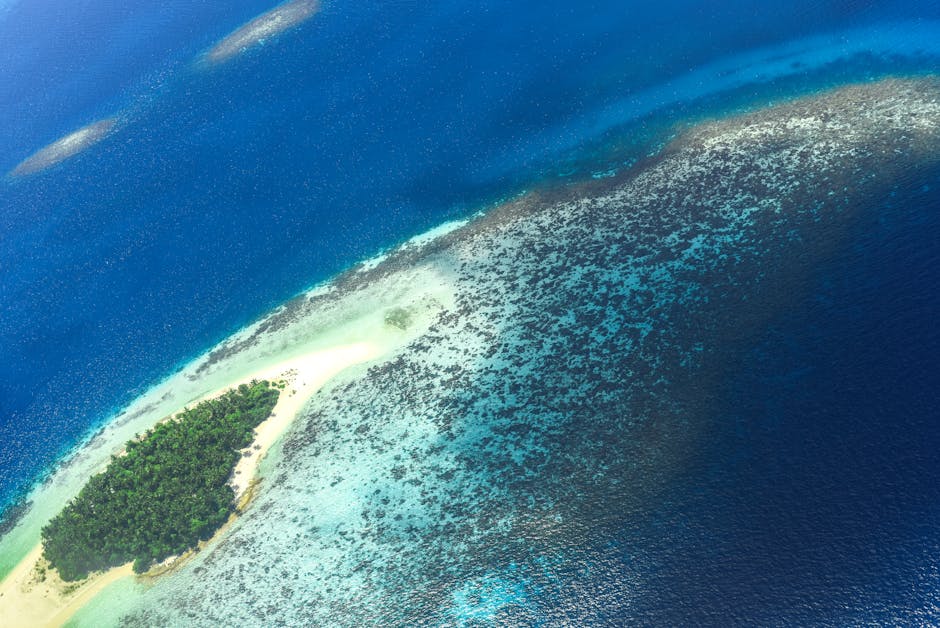
Heron Island is a coral cay — a low island built from accumulated coral rubble and sand on top of a platform reef — located 72 kilometres off the coast of Gladstone, in the southern Great Barrier Reef. The island itself is small: roughly 800 metres long and 300 metres wide, vegetated with pisonia trees and she-oaks that are home to one of Australia’s most significant seabird colonies. The surrounding reef platform covers approximately 24 square kilometres.
The island has had a marine research station since 1951 — the Heron Island Research Station, operated by the University of Queensland — which has been continuously studying the reef ecosystem for longer than any other research facility on the GBR. The data set from Heron Island is extraordinary in its scope and longevity, and it gives the reef here a scientific context that most dive destinations lack. When you ask staff or researchers what’s changed on the reef recently, they can tell you, precisely, with reference to decades of comparative data.
The resort — Heron Island Resort — coexists with the research station, with guests and researchers sharing the island and occasionally the same dive sites.
The Reef Around the Island
The reef platform surrounding Heron Island supports a range of habitat types that give divers and snorkellers access to a complete cross-section of shallow GBR reef ecology within a very small geographic area.
The reef flat — the broad, shallow section that dries partially at low tide — is a world of its own. Tidal pools in the flat are full of small fish, sea urchins, sea stars, and the exposed coral architecture of the platform. Walking the reef flat at low tide, in old shoes and without disturbing the organisms, is one of the finest ways I know to understand coral reef structure at close range. The scale of the individual coral colonies becomes apparent when you’re standing among them at ankle depth.
The reef slopes — the sloping faces that drop from the reef flat edge to the sandy floor — are where most diving happens, at depths of 5 to 25 metres. The Heron Bommie, a large coral head that rises from 18 metres to within a few metres of the surface approximately 200 metres off the main beach, is the site’s signature dive. It’s encrusted with soft corals, gorgonian fans, and crinoids, and it consistently produces excellent marine life encounters: large Queensland grouper, turtles, sharks, and clouds of reef fish that make photography effortless.
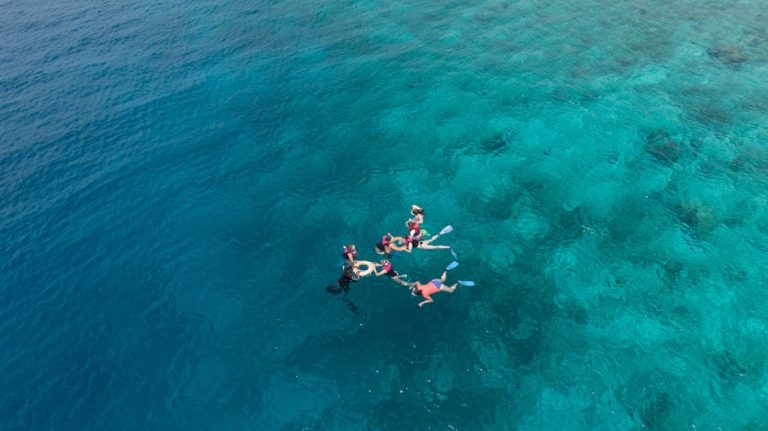
The Heron Island lagoon, on the sheltered northwestern side of the island, is a calmer shallow environment ideal for snorkelling and introductory diving. It’s also a turtle aggregation point — green turtles and loggerheads are resident year-round, but in nesting season (November to March) the lagoon and adjacent beaches are used by nesting females in numbers that Heron Island is famous for.
Turtles: The Defining Wildlife Experience
Heron Island is one of the most significant green and loggerhead turtle nesting sites in Australia. Nesting season runs from November through March, and during this period females haul out onto the beach nightly to excavate nests and lay eggs. The research station has been tagging and monitoring turtles at Heron for decades — individual females are tracked across multiple nesting seasons, building data sets that have contributed substantially to our understanding of sea turtle biology and navigation.
For guests, the turtle experience is managed carefully. In peak nesting season, guided turtle walks take place nightly — small groups accompanied by researchers or ranger-trained staff, with strict protocols about torch use, proximity, and timing of approach. In peak hatching season (typically February through April), hatchlings emerge from nests and make their way to the sea, and the beach in the early morning is a scene of extraordinary compressed energy: dozens of tiny turtles moving across the sand at full commitment toward the water.
Diving Heron: What to Expect
The diving at Heron Island is good rather than spectacular by GBR standards. The reef has experienced bleaching impacts in common with other GBR sites — the 2016 and 2022 events affected some coral communities — and visibility on the reef flat and inner lagoon is often limited by tidal turbidity (10 to 15 metres typically). The outer reef, and particularly the deeper sections of the reef slope, are in better condition and produce more consistent encounters with larger marine life.
What Heron offers that more remote sites don’t is accessibility and concentration. Because you’re on the reef 24 hours a day, you can dive at dawn, at dusk, and at night — the times when marine life behaviour is most active and most interesting — without a boat trip. The turtle encounters happen in the water during normal reef dives. The nesting beach is steps from your accommodation. The research station gives you access to context — researchers who will tell you what they’re studying and why, that puts your dives in a framework that enriches the experience considerably.
Getting There
Heron Island is accessible only by helicopter or ferry from Gladstone. The high-speed ferry takes approximately two hours and operates on most days; the helicopter takes twenty minutes and offers spectacular aerial views of the reef system.
The isolation is part of what makes it special. There’s no road in or out, no other accommodation on the island, no day visitors. The people on Heron Island at any given time are all there for the same reason: the reef. The island is small enough that you’ll know most of them by name within two days.
I have been to fancier places. I have been to places with more dramatic diving. Heron Island remains, for the particular quality of immersion it offers — the proximity, the research context, the turtles — one of the reefs I return to most readily in my memory.
Go in November for the peak of nesting season. Go in February for hatchlings. Go any time for the bommie, the turtles in the lagoon, and the research station’s evening talks. Stay longer than you think you need to.