Anyone who spends enough time around coral reefs eventually begins noticing how strongly tides shape the entire environment. The reef may appear calm and unchanged from one hour to the next, but the water level is constantly moving. In many reef systems the difference between high and low tide can transform the landscape in subtle but dramatic ways.
For travelers who only visit reefs briefly during guided tours, these shifts often go unnoticed. Boats arrive, visitors snorkel for an hour or two, and then the journey continues elsewhere. But when you remain near a reef for an entire day—or several days—the rhythm of the tide becomes impossible to ignore.
Water that covered a coral flat in the morning may retreat far enough by afternoon to reveal the shapes of coral formations beneath the surface. Sand channels appear where none were visible earlier. Shallow pools collect between coral heads.
The reef quietly redraws its own map every few hours.
The Moment the Water Begins to Move
One of the most interesting aspects of tidal change is that it rarely begins dramatically. The first signs are subtle. The water surface might begin moving in a consistent direction across the reef flat. Small ripples appear along the edges of coral formations.
If you are floating quietly in shallow water, you may begin feeling a gentle current forming. At first it seems almost imaginary, as if the water is only drifting slightly. Within half an hour the movement becomes more noticeable.
This shift is the beginning of either an incoming or outgoing tide.
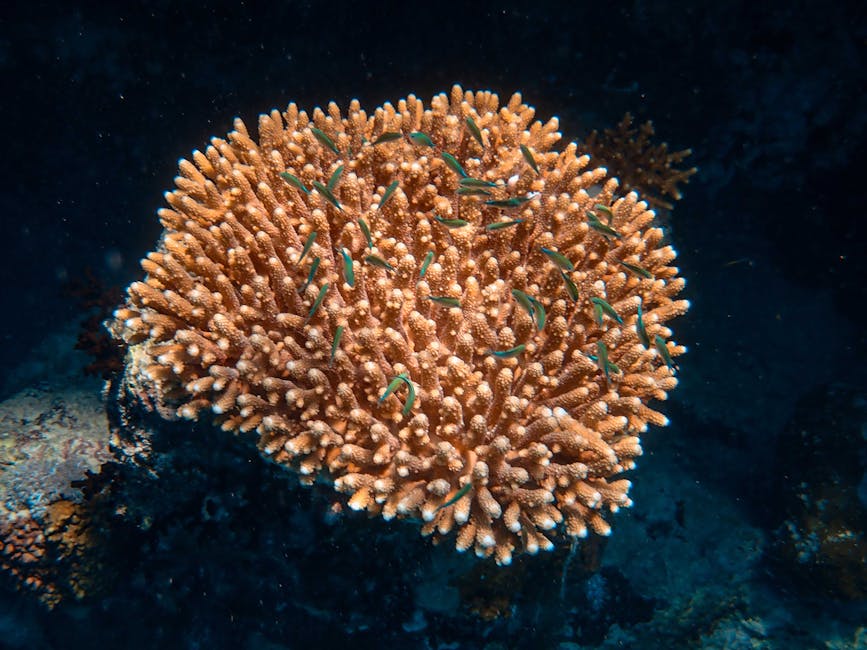
Fish often respond quickly to these changes. Small reef fish that had been scattered across the lagoon may begin swimming in loose groups toward coral heads where they can shelter from the increasing current.
Low Tide and the Revealed Reef
Low tide creates some of the most unusual reef landscapes. In certain regions coral flats that were completely submerged earlier in the day approach the surface so closely that waves break gently across them.
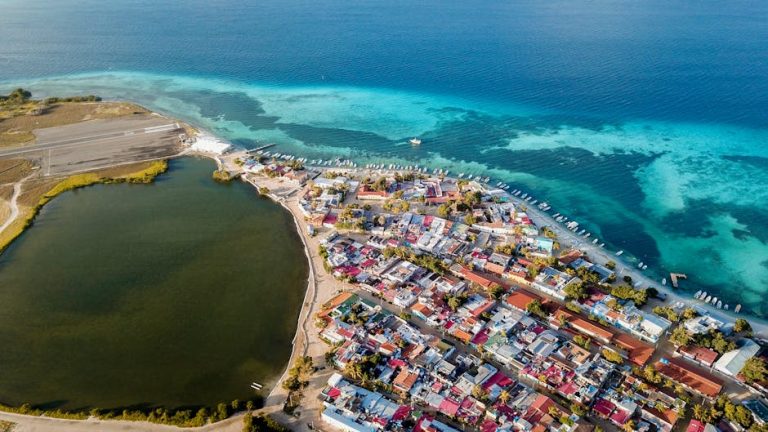
From the beach the reef begins to look like a mosaic of shallow water, coral structures, and narrow channels where water continues draining toward the deeper ocean.
Walking along the shoreline during these periods reveals details that remain invisible at high tide. Coral rubble scattered along the beach often comes from older reef structures broken by storms years earlier. Shell fragments and seaweed collect along the edges of the reef flat.
Some travelers are surprised to discover how wide reef platforms can be. What looked like open water during high tide may stretch hundreds of meters before the reef slope begins.
Life in the Shallow Pools
As water retreats from the reef flat, small pools sometimes remain trapped between coral formations. These temporary pools form miniature ecosystems that exist only until the tide returns.
Tiny fish, shrimp, and other small marine creatures gather in these pockets of water. Occasionally a small crab moves across the coral surface searching for shelter.
Watching these pools closely can reveal how adaptable reef life is. Many species are well prepared for the shifting conditions created by tides.
Within a few hours the returning water will reconnect these isolated pockets to the larger reef environment.
Incoming Tides and the Return of the Sea
Rising tides often feel different from falling tides. Instead of water quietly draining across the reef, the incoming sea gradually spreads across the coral platform from the outer reef edge.
At first the change may only appear as a slight deepening of the lagoon. Sand patches become less visible as the water level rises. Coral heads that had been close to the surface disappear beneath a few additional centimeters of water.
Then the current begins moving in the opposite direction.
Fresh ocean water flows across the reef crest and into the lagoon, bringing small organisms and nutrients with it. Fish activity often increases during these periods as marine life responds to the incoming food supply.
How Snorkeling Changes with the Tide
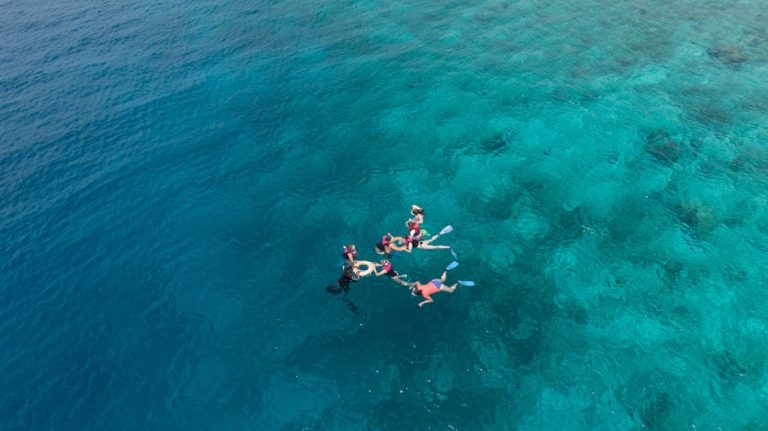
For snorkelers, tidal movement can dramatically alter the experience of exploring a reef. Areas that felt too shallow earlier in the day may become comfortable swimming depths during high tide.
Conversely, certain coral formations become easier to observe when the water level drops slightly. With less depth between the swimmer and the reef surface, colors and textures appear more detailed.
Experienced guides often plan snorkeling sessions around these tidal windows. Entering the water during a gentle incoming tide allows swimmers to drift slowly across coral formations while the water carries them toward the lagoon.
This natural movement can make reef exploration feel effortless.
The Constant Motion of the Ocean
Tides remind us that coral reefs are not fixed environments. They are constantly interacting with the larger movements of the ocean. Even when the sea appears calm, massive volumes of water are quietly shifting across reef systems around the world.
These movements shape everything from coral growth patterns to fish behavior.
For travelers who take the time to watch these changes unfold, the reef begins to feel less like a static underwater attraction and more like a living coastal landscape.
Why Tidal Rhythms Matter
After spending several days near the same reef, it becomes surprisingly easy to anticipate these changes. The direction of water flow begins making sense. Sand channels reveal where currents move most strongly.
Eventually the reef starts to feel familiar in the same way that coastal landscapes on land do. Just as beaches change shape with tides and storms, coral reefs are continuously adjusting to the motion of the sea.
Recognizing these rhythms deepens the experience of visiting reef environments. Instead of seeing the reef as a single moment in time, you begin to see it as a place constantly evolving hour by hour.
The tide never truly stops.